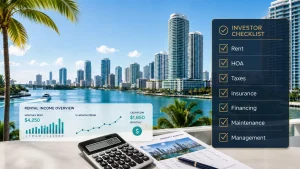
Miami multifamily investing means buying one building with two to four rental units, such as a duplex, triplex or fourplex, so several rents come in under one roof. For Canadian investors, these properties can spread vacancy risk and avoid condo association rental limits, but they come with Florida landlord obligations, building rules and US tax filings that a single condo does not.
This guide explains how small multifamily properties are financed, what to check before you buy, the Florida landlord rules that apply to every unit, and the tax points to raise with a cross-border accountant. Statute references reflect the Florida Statutes as of November 2026. Our real estate services team can help you shortlist neighbourhoods and buildings that fit your budget.
What Counts as Small Multifamily in Miami
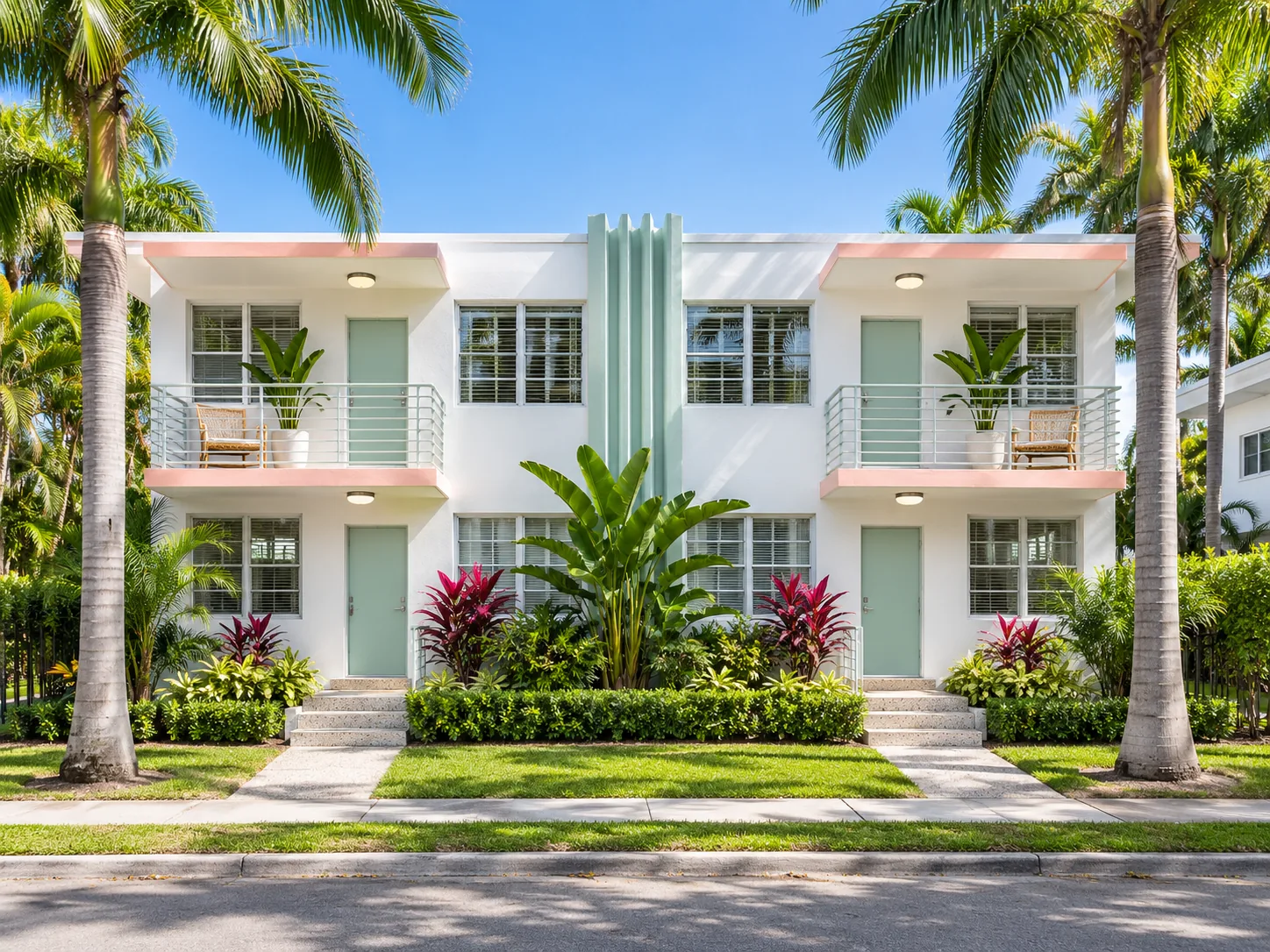
In US lending, the line that matters most is four units. A building with one to four units is generally treated as residential property, while five units or more is usually financed as commercial multifamily, with different loan products, underwriting and paperwork. Most first-time buyers from Canada start with a duplex, triplex or fourplex for that reason.
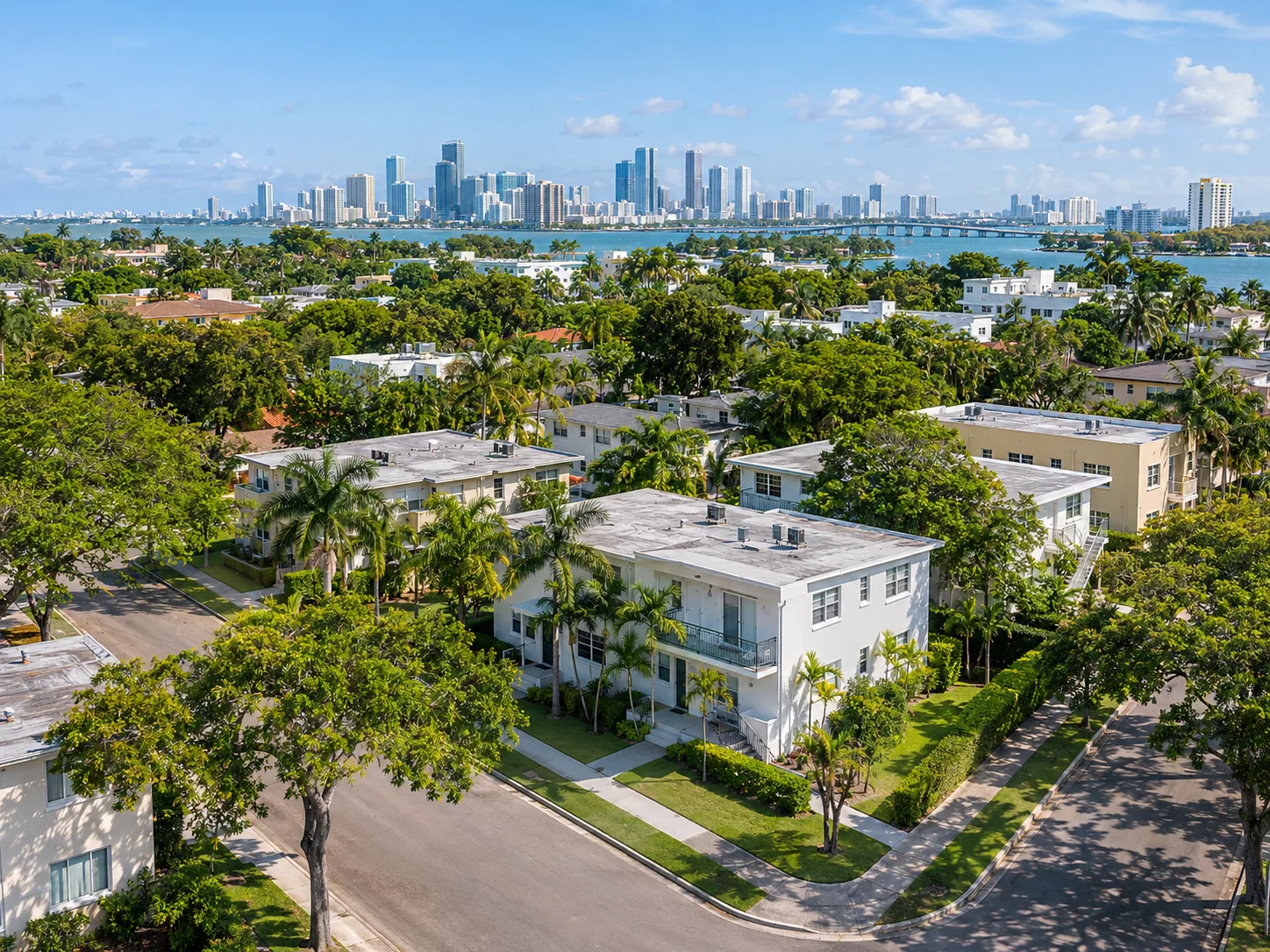
In Miami, you will find these buildings mainly in older residential neighbourhoods, where many were built decades ago with flat roofs, concrete block walls and separate entrances for each unit. Age matters: older buildings can carry heavier repair, insurance and recertification costs, which we cover below.
Why Canadian Investors Look at Miami Multifamily Investing
Small multifamily appeals to investors who want rental income without depending on one tenant. The main reasons buyers give us:
- More than one rent. If one unit is empty, the others still pay, which softens the impact of a vacancy compared with a single condo.
- No condo leasing rules. A building you own outright is not subject to a condo association’s minimum lease terms or rental caps, which often limit condo investors. See our guide to Miami condo rental restrictions for how restrictive those can be.
- Control over improvements. You decide when to renovate a unit, replace a roof or raise the standard of the building, instead of waiting for a board vote.
- No local rent control. Florida law bars cities and counties from adopting measures that would impose controls on rents (sections 125.0103 and 166.043, Florida Statutes). Rents still have to make sense for the local market, and lease terms still apply.
The trade-off is work. Two to four tenants means more turnovers, more repair calls and more compliance than one condo, and you also carry the roof, exterior and common areas that a condo association would normally handle.
Financing a Duplex to Fourplex as a Canadian
Canadians can finance US multifamily property, but the options differ from what a US resident gets. The three common routes are:
Foreign national loans
Some lenders offer loans to non-residents without US credit history. Expect larger down payments and stricter documentation than a resident buyer, and compare several lenders. Our guide to foreign national mortgages for Canadians in Florida explains what lenders usually ask for.
Rent-based investor loans
Some investor loan programs look mainly at whether the building’s rents cover the mortgage payment, taxes and insurance, rather than your personal income. Terms vary widely between lenders, so ask how they count current rents versus projected rents.
Cash, then refinance
Buyers who can pay cash often close faster and have more negotiating room. Some refinance later once the units are leased. If you plan to hold the property in a company, read our guide to buying property in Florida through an LLC first, because the ownership structure affects both financing and taxes.
Due Diligence Before You Buy a Miami Multifamily
With multifamily, you are buying the tenants and their leases along with the building. Before your inspection period ends, check these points:
Rent roll, leases and deposits
Ask for the rent roll and copies of every lease, and compare them line by line: rent, end date, who pays which utilities, and the deposit held for each tenant. Under section 83.49(7), Florida Statutes, tenant deposits and advance rent must transfer to the new owner when title passes, so confirm the amounts and how they will be credited at closing. Many buyers also ask each tenant to sign an estoppel letter confirming their rent and deposit.
Legal unit count and permits
Confirm with the city or county records that the building is approved for the number of units being rented. A garage or extra unit added without permits can lead to code problems, insurance issues and lost income if it has to be removed. Your attorney or title company can help you pull the records.
Inspections, insurance and flood zone
Inspect every unit, not just the one that is vacant, and use our Florida home inspection checklist as a starting point. Ask for a wind mitigation inspection, which can lower the windstorm part of your premium, and get real insurance quotes before your inspection period ends. Check the flood zone too, because a lender may require flood insurance.
Florida Landlord Rules Every Multifamily Owner Should Know
Florida’s residential landlord and tenant law is in Part II of Chapter 83, Florida Statutes. With several units, you will use these rules often, so it helps to know the main ones:
| Topic | Florida rule | Statute |
|---|---|---|
| Holding deposits | Keep them in a separate account at a Florida financial institution, or post a surety bond. Do not mix them with your own money. | s. 83.49(1) |
| Returning deposits | Return the deposit within 15 days after the lease ends, or send written notice of a claim by certified mail within 30 days. | s. 83.49(3) |
| Entering a unit for repairs | At least 24 hours’ notice, between 7:30 a.m. and 8:00 p.m. | s. 83.53 |
| Ending a month-to-month tenancy | At least 30 days’ notice before the end of a monthly period. | s. 83.57 |
| Unpaid rent | A 3-day notice to pay or leave, not counting Saturdays, Sundays and legal holidays. | s. 83.56(3) |
| Fixable lease violations | A 7-day notice to correct the problem. | s. 83.56(2)(b) |
Florida also has a faster process for people who move into a vacant home without permission: the owner can ask the county sheriff to remove them under section 82.036. It does not apply to current or former tenants, who still go through the normal eviction process. If a tenant dispute goes to court, use a Florida attorney; our legal services team can connect you with one.
Building Rules: Recertification and Repairs
Older Miami buildings come with inspection duties that a condo owner usually leaves to the association. Under Miami-Dade County’s building recertification program, buildings are generally recertified at 30 years and every 10 years after that. Single-family homes and duplexes are exempt, as are buildings with an occupant load of 10 or less and 2,000 square feet or less. A triplex or fourplex can fall inside the program depending on its size.
Many cities in Miami-Dade, including the City of Miami, have their own building department, so confirm the building’s status with the department that covers its address. Ask the seller for past recertification reports and any open repairs, because the repairs a report calls for become your cost after closing.
Budget for the items a condo association would normally carry: roof, exterior paint, plumbing lines, parking areas and landscaping. Our Miami rental cash flow checks show how to build those costs into your numbers before you make an offer.
Taxes on a Miami Multifamily for Canadians
Owning US rental property usually means filing in both countries. The main points to raise with a cross-border accountant:
- US rental income. Canadians who own US rentals generally file a US non-resident return. Our guide to Florida rental income tax for Canadians covers withholding and filing.
- Depreciation. The IRS depreciates residential rental buildings over 27.5 years; land is not depreciable (IRS Publication 527). With several units, depreciation can make a real difference to your US tax bill.
- Property tax. An investment property does not get the homestead exemption. See Florida property taxes for non-residents.
- Selling later. A sale by a foreign owner can trigger FIRPTA withholding (see our FIRPTA guide), and some investors defer gains with a 1031 exchange.
- Canada. Canadian residents report worldwide income, and a foreign tax credit may offset US tax paid. Ask your accountant how this applies to you.
Tax rules change and depend on your situation, so treat this as a checklist for your advisor, not tax advice. Our accounting services team works with Canadian owners on US filings.
Managing Several Tenants From Canada
Self-managing one condo from Toronto or Montreal is hard enough. With three or four tenants, someone has to answer repair calls, show units, screen applicants, collect rent, hold deposits correctly and send notices on time. Most owners who live in Canada hire a local property manager.
Our guide to Miami property management fees explains what owners typically pay and what is included. Ask any manager how they handle deposits under section 83.49, how quickly they fill vacant units, and who approves repairs above a set amount. Our property management team handles leasing, rent collection and maintenance for owners who live outside Florida.
Common Mistakes With Miami Multifamily Investing
- Trusting the seller’s projected rents. Base your numbers on the leases in place and real local rents, not a marketing sheet.
- Not checking the legal unit count. An unpermitted unit is a liability, not income.
- Losing track of deposits at closing. Every tenant’s deposit should be accounted for and transferred under section 83.49(7).
- Getting insurance quotes too late. Older buildings can be expensive to insure. Get quotes during your inspection period.
- Ignoring recertification. Ask about the building’s age, past reports and open repairs before you commit.
- Managing from Canada without local help. Missed notice deadlines and slow repairs cost more than a good manager.
Start Your Miami Multifamily Search With Miami P&B Investments
Miami P&B Investments helps Canadian and international investors find, buy and run rental property in South Florida, from the first search to leasing and maintenance. Read more about our services for Canadian investors in Miami, or contact us to talk through your budget and the kind of building you are looking for.