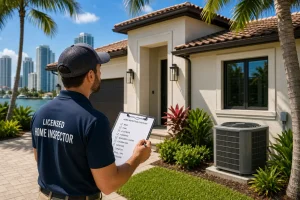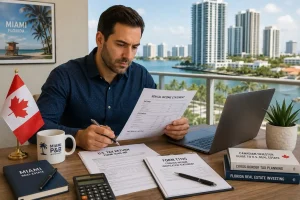
Florida vacation home maintenance starts before you board your flight back to Canada. An empty Miami condo or South Florida house can develop a water leak, clogged air-conditioning drain, or humidity problem long before anyone notices. The safest approach is a written plan that covers both departure day and the months you are away.
For Canadian snowbirds, Florida vacation home maintenance also means having someone local who can act when a sensor sends an alert or a storm passes through. If you cannot oversee that work yourself, South Florida property maintenance services can help coordinate inspections and repairs. Use these nine checks to decide what needs attention and who will handle it.
Why Florida Vacation Home Maintenance Needs a Seasonal Plan
Florida’s long periods of heat, humidity, and heavy rain create different risks from the freezing pipes many Canadians worry about at home. A house can be locked securely yet still suffer moisture damage when its cooling system stops working. A condo may have a building manager on-site, but that person is not automatically responsible for checking inside your unit.
The University of Florida’s guide to closing a seasonal home recommends planning weeks ahead, controlling interior moisture, and arranging someone to check the property. Florida vacation home maintenance should start before departure, not after the first summer thunderstorm.
What makes an unoccupied Florida home vulnerable?
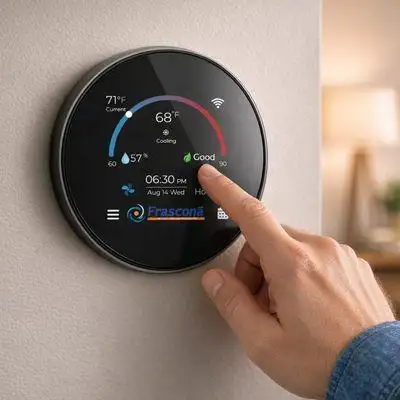
The main problem is delayed discovery. A small plumbing drip can continue unnoticed; an A/C shutdown can let indoor humidity climb; and a wind-driven rain leak may not become visible until days later. Good Florida vacation home maintenance reduces the chance of failure and creates a way to spot trouble early.
Florida Vacation Home Maintenance: 9 Essential Checks
1. Keep the air conditioning working and humidity under control
Do not switch the A/C off for the entire summer simply to lower the electricity bill. Florida Power & Light’s seasonal air-conditioning guidance suggests roughly 78–82°F for residents away for months, with humidity control and adjustments based on the home. A thermostat setting alone cannot confirm that the air is dry enough.
The EPA advises keeping indoor relative humidity below 60%, ideally 30–50% where practical. Use a humidity-reading thermostat or sensor, test remote alerts, and arrange an HVAC service visit to clean the condensate drain and check filters before leaving. Florida vacation home maintenance works best when you monitor both temperature and actual humidity.
2. Decide how to isolate water without disabling essential systems
Find the unit or home’s main water shutoff and test it while you are still present. Where appropriate, close the domestic water supply to reduce the damage a failed hose or toilet valve could cause. For condos, confirm which shutoffs are permitted and how building access works; never interfere with shared plumbing, fire protection, or required irrigation.
Ask a qualified plumber how to handle the water heater and any connected appliances when the supply is shut off. Add leak detectors under sinks and near the water heater, washing machine, and air handler. A Florida vacation home maintenance checklist should name the person authorized to respond if a sensor reports water.
3. Empty, clean, and dry kitchens, bathrooms, and laundry areas
Remove perishables, rubbish, and opened pantry items that may attract pests. If you switch a refrigerator off, clean and dry it thoroughly, then leave its doors safely propped open. Run the dishwasher’s final cycle, empty it, and leave the interior dry.
Check that drains and toilet traps will not dry out and allow sewer odors inside; follow suitable seasonal-closure advice rather than pouring chemicals down the drains. Leave interior doors and closets arranged for air circulation. Small housekeeping steps make Florida vacation home maintenance more effective than relying on the thermostat alone.
4. Prepare for hurricane season even if you leave in spring

The Atlantic hurricane season runs from June 1 through November 30. Before you travel, confirm who can secure shutters or approved window protection, move balcony furniture, and inspect the property after a storm. Follow NOAA’s hurricane preparation guidance instead of waiting until a warning is issued.
Condo owners should ask the association which storm tasks it handles and which remain the unit owner’s responsibility. Homeowners should check loose exterior items, drainage paths, and trees well ahead of the season. If the property faces flood exposure, review these Miami flood-zone considerations. Florida vacation home maintenance includes a named storm contact, not just a weather app.
5. Inspect the roof, windows, doors, and visible signs of leaks
Before departure, look for ceiling stains, cracked sealant, loose weatherstripping, damaged screens, and water collecting near doors. A single-family home’s gutters, downspouts, roof edges, and grading deserve particular attention. In a condo, report suspected common-element defects to the association rather than attempting repairs yourself.
Photograph anything questionable and arrange a qualified assessment before small defects become an emergency. For larger problems, South Florida property repair and construction services can coordinate the necessary work. This part of Florida vacation home maintenance is about finding the entry point for water before the next downpour.
6. Arrange pest control, landscaping, and pool care
Schedule whatever the property needs while you are away: grass cutting, trimming, irrigation checks, pool servicing, and pest monitoring. Remove standing water and unnecessary food sources, and make sure a responsible person can spot new insect activity or damage to exterior screens.
A condo association may handle landscaping and common pools, but that does not necessarily include your balcony, interior pest problems, or any privately maintained equipment. Florida vacation home maintenance should separate association duties from the services you must arrange independently.
7. Test security, sensors, and access for your local contact
Check every door and window, replace low batteries in detectors where appropriate, and confirm smart locks and alarms still work. Test your internet-connected temperature, humidity, and water sensors from outside the home. A notification is useful only if someone nearby knows what to do with it.
Leave a secure key or approved access method with your designated contact, plus emergency phone numbers and written limits on spending authority. For Florida vacation home maintenance, technology supports a plan; it cannot inspect a damp ceiling or remove broken glass after a storm.
8. Review seasonal occupancy and insurance requirements
Tell your insurer or agent how the home is used and how long it will be unoccupied. Ask about vacancy or seasonal-occupancy clauses, required inspection frequency, leak-related conditions, storm deductibles, and the procedure for reporting damage. Do not assume a standard homeowners policy treats an empty residence exactly like an occupied one.
Also review condo association access rules, emergency-contact forms, and any requirement to notify management of an extended absence. The site’s guide to Miami property insurance costs provides more context for ownership expenses. An insurance review belongs on every Florida vacation home maintenance plan, even when a policy has renewed without changes.
9. Assign on-the-ground checks and a response procedure
Choose a reliable local person who can enter lawfully, inspect likely trouble spots, and send dated photos. Agree on what they should check, when to call you, and when they should contact a qualified tradesperson immediately. Include the A/C status, humidity reading, ceilings, plumbing areas, windows, doors, pests, and any outdoor equipment.
Write down what happens if your contact cannot reach you during an emergency. Florida vacation home maintenance is much stronger when responsibilities are documented than when everyone assumes a neighbor will notice a problem.
A Practical Departure Timeline
A well-organized Florida vacation home maintenance schedule spreads work out so the last day is reserved for verification, not emergency repairs.
| When | Priority tasks | What to confirm |
|---|---|---|
| About three weeks before departure | Book A/C service; review insurance; arrange local checks | Contractor and contact availability |
| One week before | Test shutoffs, sensors, shutters, pool and landscape plans | Written instructions and access |
| Departure day | Clean and dry rooms; set humidity control; secure openings | Photos and final settings |
| During your absence | Complete agreed inspections and respond to alerts | Dated reports and escalation steps |
| Before returning | Check for leaks, pests, storm damage, and A/C problems | Safe reopening of water and appliances |
Treat the timeline as a starting point. A house with a pool and mature trees will need different work from a high-rise condo. The best Florida vacation home maintenance plan reflects actual equipment, building rules, and insurance conditions.
How Often Should Someone Check a Vacant Florida Home?
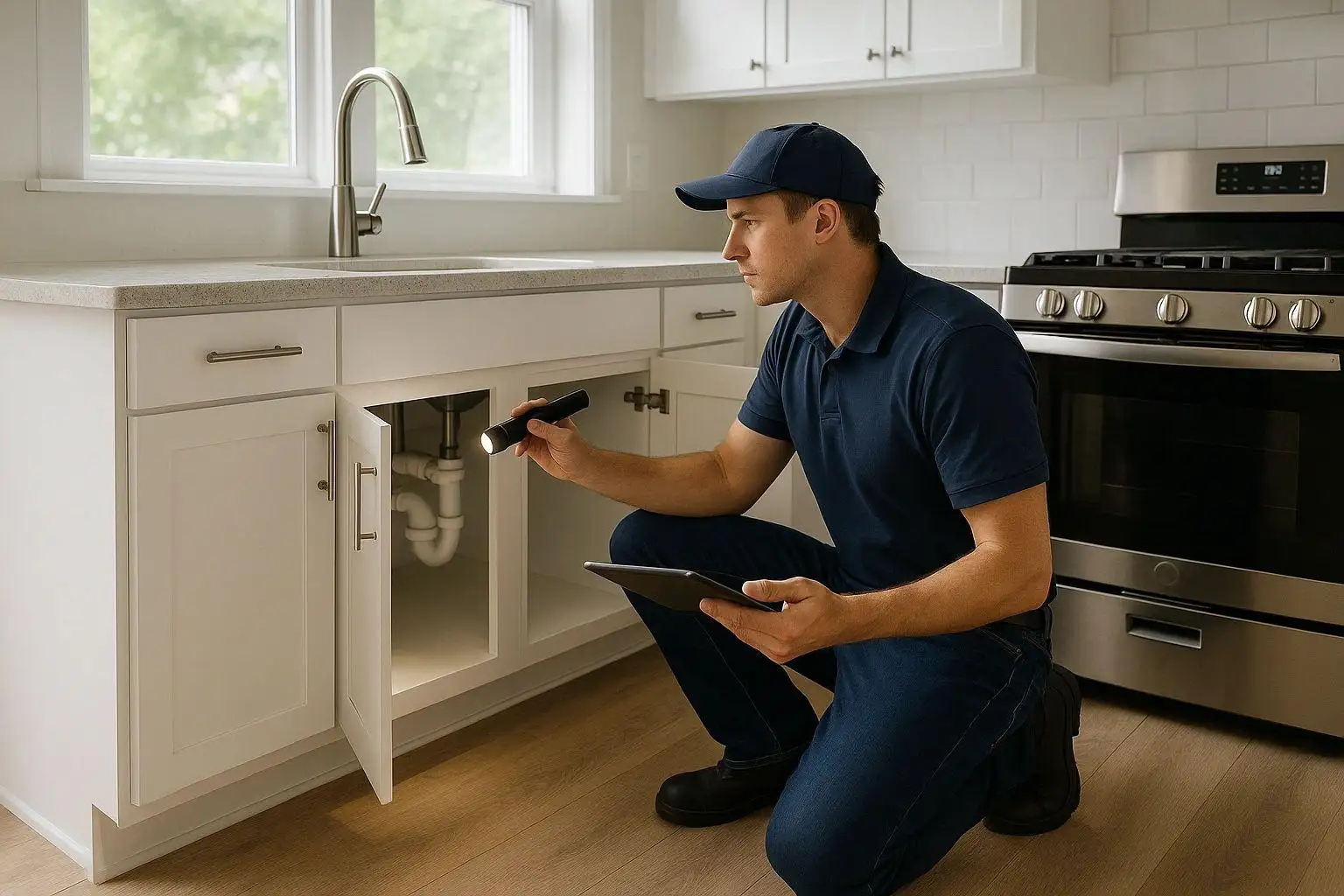
There is no single inspection interval that fits every property or insurance policy. Some owners may arrange weekly visits; others use a different schedule after discussing risk and coverage requirements with their insurer. The right frequency depends on the building, season, security equipment, and how quickly someone can respond.
For example, a two-bedroom Brickell condo with remote humidity monitoring and a responsive building team may need a different inspection plan than a detached Fort Lauderdale home with a pool, roof, and garden. Neither property should rely on sensor alerts alone. After severe weather or an unexplained humidity spike, an extra check may be sensible once conditions are safe.
Ask for short written reports with the visit date, indoor reading, photos of key areas, and action items. If the property is rented rather than vacant, the scope changes: professional rental property management may also involve tenant communication and repair requests. Florida vacation home maintenance is not the same as tenant management.
Is Florida Vacation Home Maintenance Different for Condos and Houses?
Yes. In a condo, the association often maintains defined common elements, but the declaration and governing documents determine exactly where its duties stop. Owners remain responsible for many interior issues, and a lobby attendant should not be treated as a private home-watch service.
A detached house generally adds roof and gutter checks, landscaping, pool equipment, exterior drainage, and storm debris. That can mean more vendors and more reasons to schedule visits during summer rains. Florida vacation home maintenance should therefore begin with an inventory of what you own, what the association manages, and what each contractor is expected to do.
Canadian snowbirds buying a new property can review the site’s Florida guidance for Canadian seasonal owners before deciding how much oversight they will need after closing.
Common Mistakes That Create Expensive Surprises
The first mistake is treating a locked door as a complete protection plan. An A/C compressor can fail without triggering a security alarm. The second is turning off too many systems without understanding how humidity control, smart alerts, or pool equipment depend on power and water.
Another mistake is leaving the inspection plan vague. “Check occasionally” tells no one whether to look under sinks, photograph ceiling stains, or call the owner after a warning. Finally, do not assume the condo association or insurance company will handle every interior problem automatically.
The goal of Florida vacation home maintenance is not to eliminate every possible loss. It is to control the predictable risks, notice changes promptly, and make response decisions easier from hundreds or thousands of miles away.
Set Up Florida Vacation Home Maintenance With Miami P&B Investments
If you own a seasonal condo or house in Miami, Fort Lauderdale, or another South Florida community, start with the nine checks above and a clear plan for the months you are in Canada. List the systems that need monitoring, the vendors already involved, and the tasks you would rather delegate.
Miami P&B Investments works with Canadian and international property owners on maintenance, inspections, repair coordination, and related real estate services. To discuss a plan tailored to your property, contact the team with your location, property type, and expected dates away. Effective Florida vacation home maintenance should feel organized before the last suitcase is packed.