A wind mitigation inspection is one of the cheapest reports you can order when buying a house in South Florida, and it can have a lasting effect on your insurance premium. It records the features that help a home resist hurricane winds, and Florida insurers use it to decide which windstorm discounts you receive. For Canadian and international buyers comparing homes in Miami, Fort Lauderdale or Palm Beach County, it belongs on the due-diligence list from day one.
Our Florida home inspection checklist explains the general inspection. This guide focuses on the wind report: what it checks, the form change that took effect in April 2026, who can sign it, and how condo buyers and non-resident owners should approach it.
What Is a Wind Mitigation Inspection?
A wind mitigation inspection is a short, focused visit by a qualified inspector who documents how well a building’s roof, walls and openings are built to resist wind. The results go on a state form, the Uniform Mitigation Verification Inspection Form, known as OIR-B1-1802. You or your agent send the completed form to your insurer.
Florida law backs this up. Insurers writing residential property policies must include discounts, credits or lower deductibles for homes with proven wind-loss reduction features. Under section 627.711 of the Florida Statutes, they must also tell policyholders which mitigation discounts are available when a policy is issued and at each renewal.
The size of the discount depends on your insurer, location and the features found. A newer home with strong roof connections and full opening protection will usually earn far more credit than an older home with none.
What a Wind Mitigation Inspection Checks
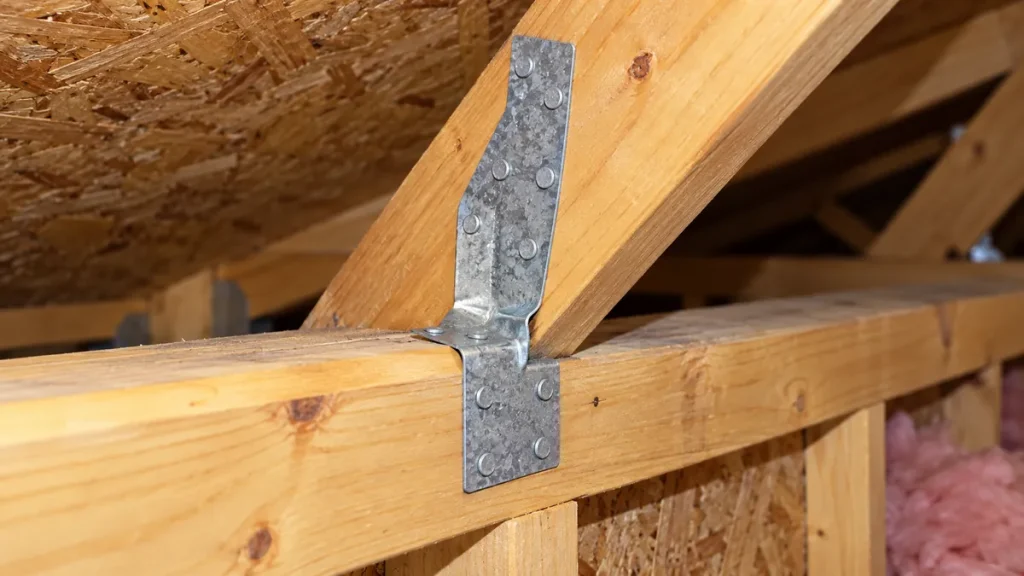
The inspector works through each section of the form and photographs the evidence. Every answer affects the credit your insurer applies, so missing photos or paperwork can cost you money.
| Feature on the form | What the inspector looks for | Why it matters |
|---|---|---|
| Building code | Year built and permit records showing the code the home was built to | Newer code generally means stronger construction |
| Roof covering | Roof type and permit or product approval documentation | Proves the covering meets current wind standards |
| Roof deck attachment | Nail type, size and spacing holding the decking to the trusses | Keeps the roof deck from peeling off |
| Roof-to-wall attachment | Toe nails, clips, single wraps or double wraps | One of the biggest drivers of credits |
| Roof geometry | Hip, gable or flat roof shape | Hip roofs handle wind better than gable roofs |
| Secondary water resistance | A sealed roof deck under the covering | Limits water intrusion if shingles or tiles are lost |
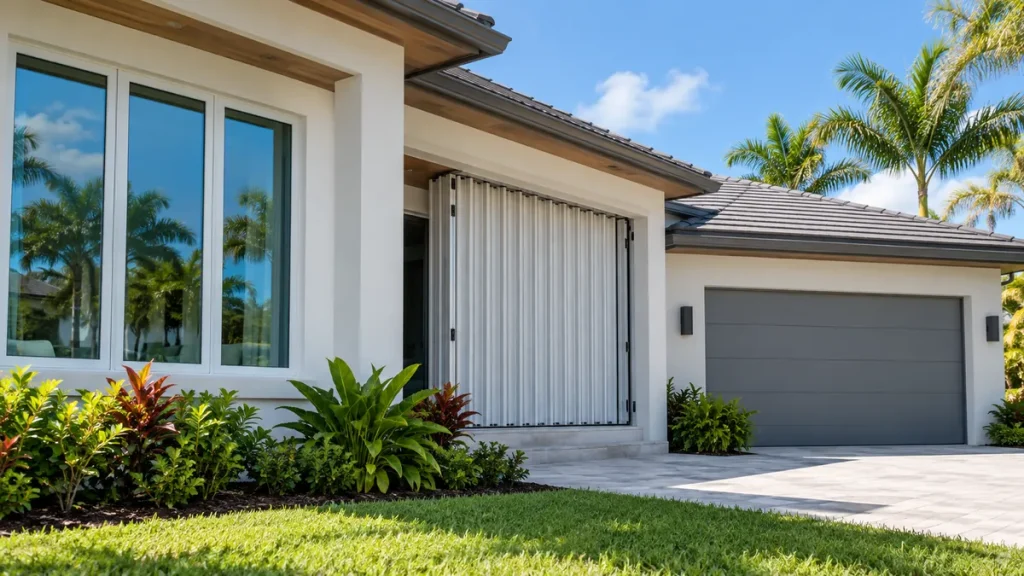
| Opening protection | Impact-rated windows, doors, garage doors or shutters on every opening | Protects against wind-borne debris |
Opening protection is judged on every glazed opening, including garage doors and skylights. The home is generally rated by its weakest opening, so a single unprotected window can lower the result. Ask for product approval labels and permits for all of them.
The 2026 Wind Mitigation Inspection Form Change
The Office of Insurance Regulation revised the form as OIR-B1-1802 (Rev. 04/26). According to Citizens Property Insurance Corporation, inspections done on or after April 1, 2026 must use the revised form.
The update changes several sections, including roof-to-wall attachment and opening protection. It also lets FORTIFIED Roof, Silver and Gold certificates count toward certain features.
For buyers, the practical point is simple. If a seller hands you an older report, check the form version and inspection date before you count on the credits shown.
How long is a wind mitigation inspection good for?
A wind mitigation inspection is commonly accepted for up to five years, as long as the structure has not changed. Florida law leaves the exact validity period to state guidance and insurer rules, so confirm with your insurer. Citizens, for example, still accepts the older Rev. 01/12 form if it was completed within five years before April 1, 2026 and nothing about the structure has changed since.
A new roof, new windows or added shutters are good reasons to order a fresh report even if the old one is still valid, because the upgrades will not earn credit until they are documented.
Who Can Perform a Wind Mitigation Inspection in Florida?
Florida insurers must accept the form when it is signed by one of the following:
- a licensed home inspector who has completed at least three hours of approved hurricane mitigation training and a proficiency exam,
- a certified building code inspector,
- a licensed general, building or residential contractor,
- a licensed professional engineer, or
- a licensed professional architect.
Insurers may also accept other inspectors they consider qualified, and they can pay for an independent check of the form before accepting it. Hire an inspector who photographs every item. Clear evidence is what holds up if your insurer reviews the report.
How much does a wind mitigation inspection cost?
A standalone wind mitigation inspection in Florida typically costs in the low hundreds of dollars. Many home inspectors offer it at a lower price as an add-on to a general inspection, along with a four-point inspection for older homes. Prices vary by inspector, home size and roof type, so get quotes and ask whether photos and the signed form are included.
When to Order the Report During a Purchase
Timing matters more than most buyers expect. Order the wind mitigation inspection during your inspection period, alongside the general inspection, so you can get firm insurance quotes before your right to cancel runs out.
- Ask the listing agent whether the seller has a recent wind mitigation report.
- Check the form version, date and whether any work has been done since.
- If there is no usable report, book one with your general inspection.
- Send the report to two or three insurance agents for quotes.
- Add the real premium to your carrying-cost budget before you commit.
Can you buy a home without a wind mitigation inspection?
Yes. A wind mitigation inspection is not a legal requirement for buying a home in Florida. Without it, though, your insurer has no documented proof of the home’s wind features and may price the policy without those credits.
That is why most buyers of houses and townhomes treat the wind mitigation inspection as part of normal due diligence. The fee is small compared with a year of premiums, and the report stays useful after closing.
Insurance can change the numbers on a Miami-area home significantly. Our guide to Miami property insurance costs explains the other factors, such as flood zone, roof age and hurricane deductibles.
Houses, Townhomes and Condos Are Treated Differently
A wind mitigation inspection matters most for single-family homes and townhomes where you insure the structure yourself. On those properties, the roof, walls and windows are your responsibility, and the credits apply directly to your policy.
Does a condo owner need a wind mitigation inspection?
Usually not for the building itself. In most Florida condominiums, the association insures the structure under a master policy, so the building’s wind features affect that policy and your share of the condo fees. Our article on the condo master insurance policy shows what to review. Unit owners should still ask their insurance agent whether any credit is available on their own unit policy, especially for impact windows inside the unit.
Can Canadian Owners Use My Safe Florida Home?
Florida’s My Safe Florida Home program has offered free wind mitigation inspections and matching grants of up to $10,000 for eligible upgrades. Program funding depends on yearly legislative appropriations, so check the official site for current availability.
The bigger issue for Canadian buyers is eligibility. The program’s governing statute requires the homeowner to have a Florida homestead exemption on the home, and homestead is only available on a permanent Florida residence. Most Canadian snowbirds and investors do not qualify, as explained in our guide to Florida property taxes for non-residents. Plan to pay for your own wind mitigation inspection and any upgrades.
Upgrades That Can Improve a Wind Mitigation Inspection
If the report on a home you buy comes back weak, some improvements can raise your credits at the next renewal:
- Roof-to-wall connections: adding clips or straps is often done during a reroof, when the connections are exposed.
- Secondary water resistance: a sealed roof deck is easiest to add when the roof is replaced.
- Opening protection: impact windows, doors and garage doors, or approved shutters on every opening. In Miami-Dade and Broward, products must meet the stricter high-velocity hurricane zone requirements.
- FORTIFIED certification: under the 2026 form, a FORTIFIED Roof, Silver or Gold certificate can support certain features.
Compare the upgrade cost with the yearly premium savings your insurer actually quotes. Some upgrades pay back quickly through lower premiums. Others make more sense when done with a roof replacement or renovation you were planning anyway.
Make Wind Mitigation Part of Your Miami Buying Plan
A wind mitigation inspection costs little and can shape your insurance budget for years. Request it early, read it before you finalize the deal, and use it to compare homes on true carrying cost, not just price. Insurance rules and discounts vary by insurer and property, so confirm credits with a licensed Florida insurance agent before you commit.
Miami P&B Investments helps Canadian and international buyers through every step of a South Florida purchase with our real estate services. When a home needs a new roof, shutters or impact windows, our construction and renovation team can scope the work. Contact us to talk about the homes you are considering and the questions to ask before you make an offer.