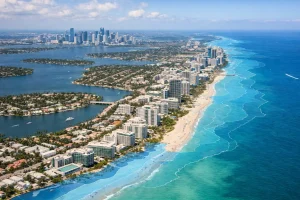
The Miami real estate market 2026 is easier to read than it was a year or two ago, but it is not simple. Buyers have more choices. Some condo segments are more negotiable. Rents are still meaningful. Luxury demand has not disappeared. And for anyone looking beyond one headline, West Palm Beach is part of the same South Florida conversation.
If you are comparing your next move, start with the big picture and then narrow it down by property type, neighborhood, and strategy. Our team works across Miami real estate opportunities, West Palm Beach opportunities, and full real estate services that continue after closing.
What the Miami real estate market looks like right now
The Miami real estate market 2026 is no longer a one-speed market. That matters because many buyers and investors are still looking at Miami as if every listing will attract instant competition and every seller holds all the leverage.
That is not how the market feels across many segments right now.
Inventory is broader than it was during the tightest post-pandemic stretch. Buyers who are prepared can often negotiate on price, repairs, credits, or terms. At the same time, the strongest homes and the most desirable buildings can still move quickly when they are priced right.
Is Miami a buyer’s market in 2026?
In many parts of the market, yes, buyers have more room than they did before.
That does not mean every property is a bargain. It means you have more time to compare buildings, review financials, study rent potential, and look beyond listing photos. For local buyers, that can reduce pressure. For investors, it creates a better environment for underwriting carefully instead of rushing into a deal.
The most important question is not whether Miami is “hot” or “cold.” It is whether the specific property in front of you still makes sense after you account for HOA fees, taxes, insurance, reserves, rental rules, and your hold period.
Why investors are still active in Miami
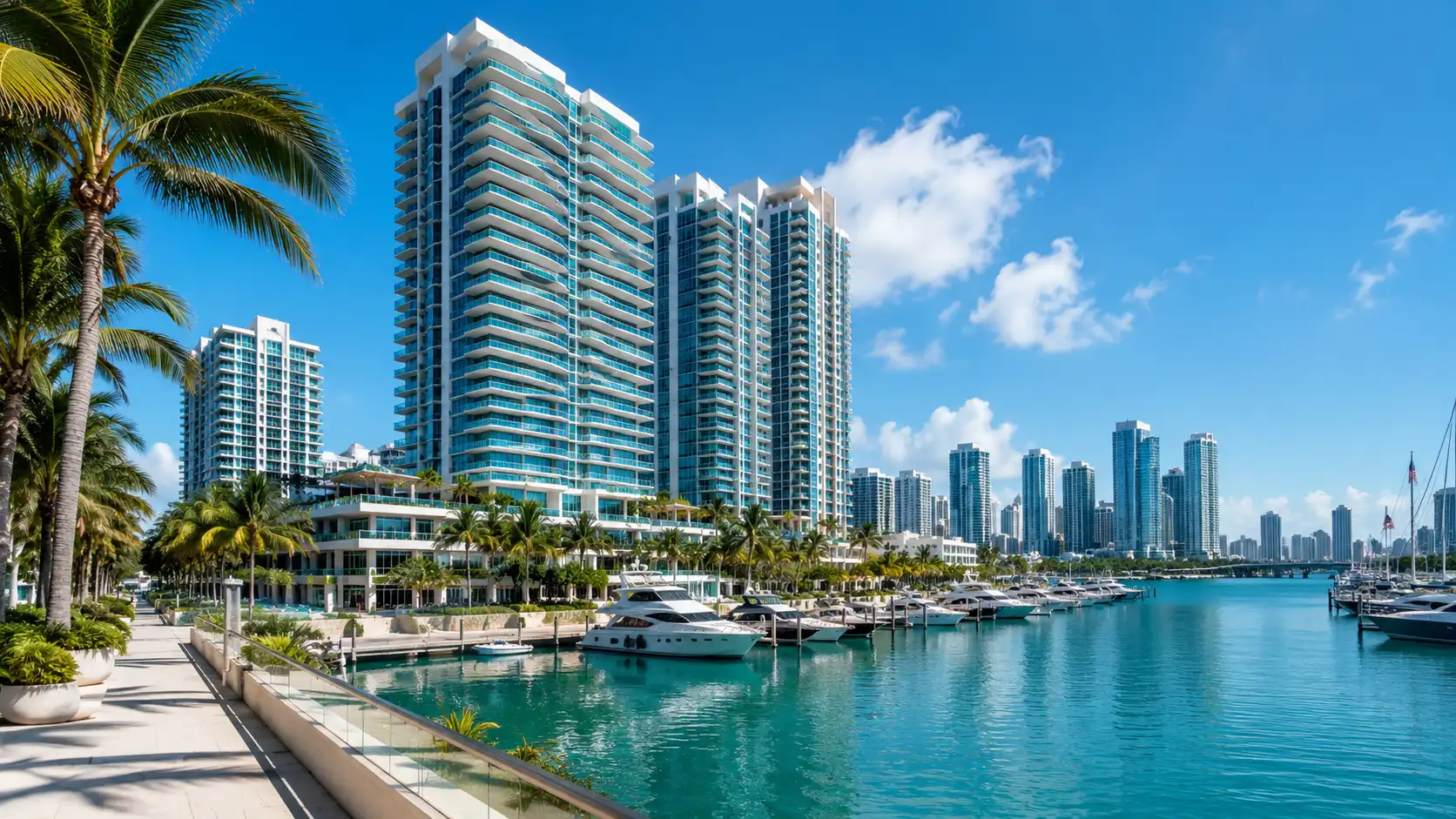
The Miami real estate market 2026 still attracts investors because South Florida combines global visibility, year-round demand, and multiple use cases in one market.
Some buyers want a second home that can offset carrying costs. Others want a long-term rental in a neighborhood with steady demand. Others are looking for a value-add property, a redevelopment play, or a building where better due diligence can uncover opportunity.
What keeps Miami interesting is that demand does not come from one source alone. It comes from local households, domestic movers, international buyers, remote workers, lifestyle-driven relocations, and businesses that continue to bet on South Florida.
What keeps long-term demand intact?
A few forces continue to matter:
- Miami remains a lifestyle market and a business market at the same time.
- Different neighborhoods serve different goals, from walkable urban living to waterfront lifestyle or income-focused ownership.
- Buyers are not only chasing appreciation. Many are also buying for flexibility, tax planning, or part-time use.
- New supply helps in some areas, but it does not erase the appeal of strong locations, well-managed buildings, or quality product.
For income-focused buyers, the smarter move is to link market conditions with real ownership math. If that is your goal, our guide to Miami rental cash flow is a strong next step, especially if you are buying from out of state or out of country.
What local buyers and renters should watch
The Miami real estate market 2026 matters to renters too, because for-sale conditions and rental conditions influence each other.
When more inventory comes to market, some buyers gain leverage. When rents stay elevated, some renters continue to feel pressure even if the sales market becomes more flexible. That leaves many households asking the same question: should I renew, move, or buy?
Should you rent longer or buy now?
That depends on your timeline more than the headlines.
If you may relocate within two or three years, renting can still make sense. If you are buying a condo, you also need to be comfortable with building-level due diligence, reserves, and ownership costs beyond the mortgage. If you are buying a single-family home and plan to stay longer, the expanded inventory in the Miami real estate market 2026 may give you a better setup than buyers had during the frenzy phase.
A practical way to decide is to compare these four things at the same time:
| Audience | What to watch first | Biggest risk | Best opportunity |
|---|---|---|---|
| Local buyers | Monthly payment, taxes, insurance, long-term plans | Buying on emotion and underestimating ownership cost | More choices and better negotiating room |
| Renters | Rent increases, flexibility, moving costs, job stability | Waiting too long without a plan | Using extra time to prepare financing and target neighborhoods |
| Investors | Rent potential, HOA, reserves, management, exit strategy | Overestimating cash flow | Better deal selection and less rushed underwriting |
| Developers | Land basis, zoning, supply pipeline, absorption | Paying peak pricing for the wrong product | Finding value where future demand remains durable |
If you are comparing condo ownership, do not stop at asking price. Review building quality and current costs carefully, especially if you are looking at older inventory. Our article on Miami HOA fees can help frame that part of the decision.
Why West Palm Beach belongs in the conversation
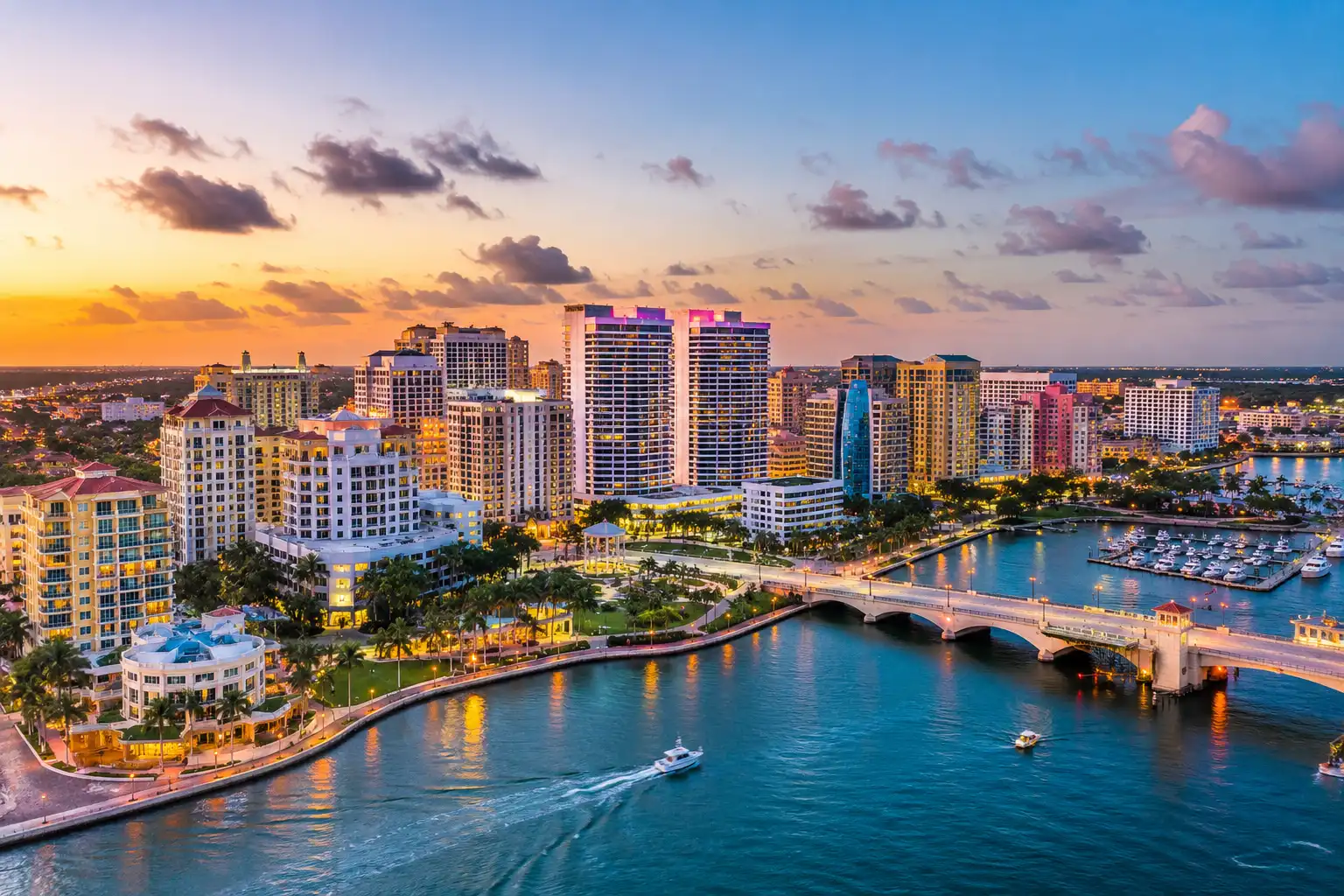
A solid Miami real estate market 2026 article should not pretend Miami is the only market worth comparing. For many buyers and investors, West Palm Beach belongs on the shortlist.
West Palm Beach continues to attract wealth, business attention, and buyers who want South Florida access with a slightly different pace and pricing mix. It can appeal to people who still want walkability, waterfront proximity, and long-term upside, but who are not locked into Miami proper.
That does not automatically make West Palm Beach “better.” It makes it useful as a comparison market.
If your priority is a true urban Miami experience, that may keep you in Brickell, Downtown, Edgewater, Coconut Grove, or nearby neighborhoods. If your priority is broader optionality, lifestyle balance, or a different entry point, West Palm Beach may deserve a hard look. We help clients compare both through our West Palm Beach real estate page and one-on-one strategy calls.
What developers and value-add buyers should watch
For developers, builders, and value-add investors, the Miami real estate market 2026 is not only about headline pricing. It is about how supply, policy, construction costs, and buyer demand line up over the next few years.
That means looking at the market in layers.
First, where is new supply clustering? Second, which neighborhoods still have durable demand drivers? Third, where do building age, deferred maintenance, or outdated product create real repositioning potential? And fourth, how do policy changes affect feasibility?
Developers should also separate luxury demand from workforce and middle-market housing demand. These are not the same story, and they do not respond to the same product in the same way. In some cases, the right opportunity is ground-up development. In others, it is renovation, repositioning, or a more conservative buy-and-improve strategy.
What should developers and value-add buyers watch most closely?
Watch the spread between replacement cost, existing inventory quality, and the real price buyers or renters will pay for better product.
That spread creates opportunity.
It is also where experienced local guidance matters. A property can look attractive on a spreadsheet and still be difficult because of permitting delays, building conditions, association issues, or the wrong submarket. Our construction services and property maintenance services are relevant here because they help buyers think beyond acquisition and into execution.
How to move forward without overpaying
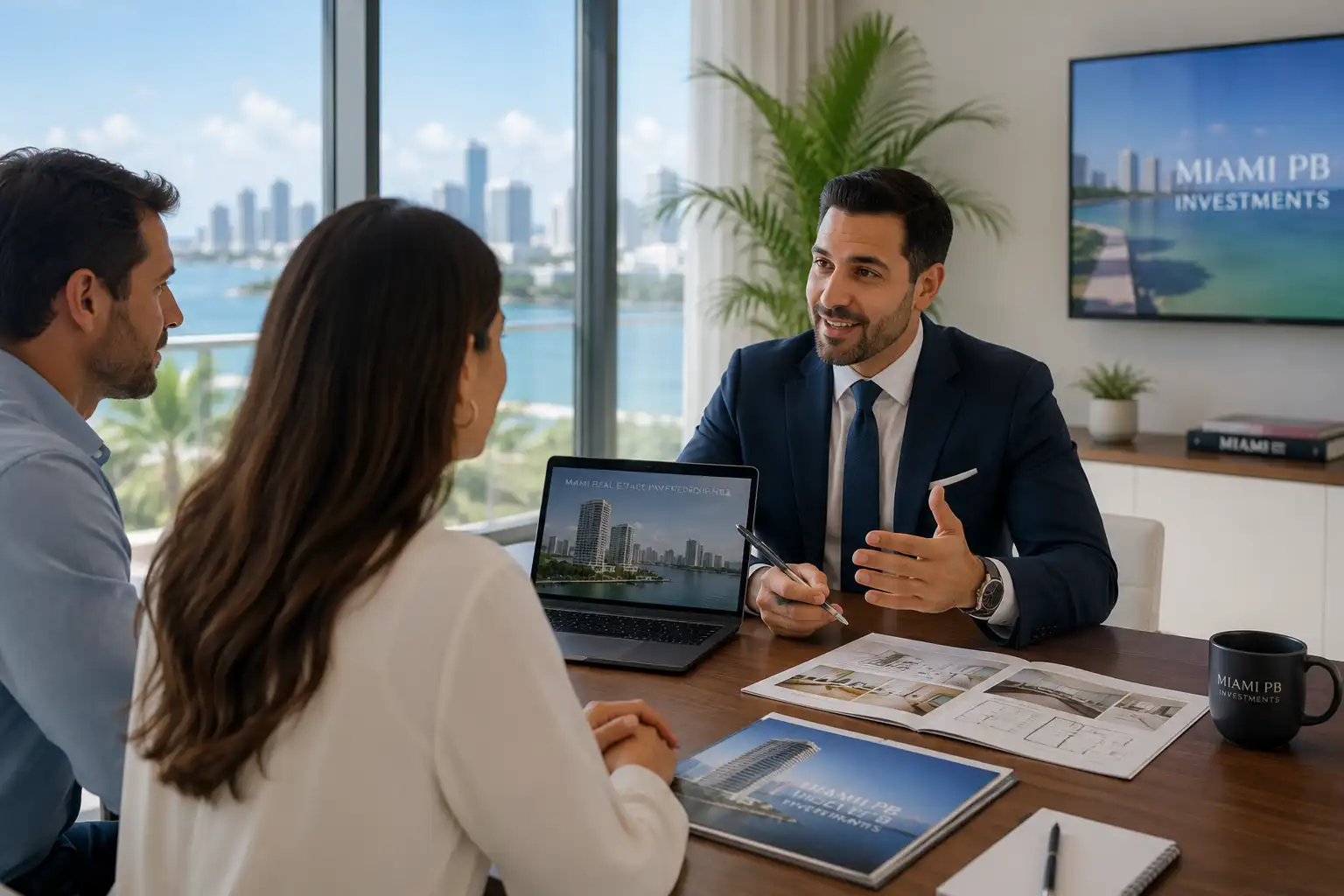
The Miami real estate market 2026 rewards patience, but not passivity.
Good opportunities still get attention. The difference is that buyers now have a better chance to do the work properly. That means comparing at least a few neighborhoods, reviewing building or property-level costs early, and matching the purchase to your actual goal.
Before you make an offer, get clear on these questions:
- Is this a lifestyle purchase, an income play, a future move, or a development decision?
- What does ownership really cost after taxes, insurance, HOA, maintenance, and management?
- Are you buying in Miami because it is the right fit, or because it is the most familiar name?
- Would West Palm Beach, Boca Raton, or another South Florida market serve your goals better?
- If you are remote, who will manage the property after closing?
That last point gets missed too often. Buying well matters, but operating well matters too. If you are purchasing for income or part-time use, explore our property management services before you close, not after.
Work with a South Florida team that stays involved after closing
The best way to use the Miami real estate market 2026 is not to chase every headline. It is to turn the market into a clear strategy.
That may mean buying in Miami while others hesitate. It may mean comparing Miami with West Palm Beach more seriously. It may mean waiting for the right building instead of forcing a deal. And it may mean backing away from a property that looks good on the listing but weakens once the full numbers are reviewed.
If you want help sorting through your options, Miami P&B Investments can help you compare neighborhoods, evaluate income potential, and plan for ownership after closing. Whether you are an investor, local buyer, renter preparing to buy, or a value-add operator studying your next move, start with a conversation through our contact page or review our Canadian investor resources if you are buying from abroad.