Florida condo documents can tell you more about a Miami condo purchase than the listing photos, the view, or even the asking price.
For buyers comparing Brickell, Edgewater, Aventura, Bay Harbor Islands, Coconut Grove, Fort Lauderdale, Boca Raton, or West Palm Beach, the documents reveal how the building really works. They show the rules, finances, reserves, insurance picture, rental limits, repair obligations, and possible surprises that may affect your cost of ownership after closing.
This matters even more for Canadian buyers and long-distance investors. You may be reviewing a property from Toronto, Vancouver, Montreal, Calgary, or another city outside Florida. You may not be able to attend every board meeting, speak with every neighbor, or visit the building several times before making a decision. That is why Florida condo documents should become part of your due diligence before you fall in love with a unit.
If you are still early in your search, Miami P&B Investments’ guide to Miami condos for sale is a helpful starting point. Once a specific building is on your shortlist, this checklist will help you understand what to request, what to question, and when to get professional support.
Why Florida Condo Documents Matter More in 2026
Florida condo documents have always mattered, but buyers are paying closer attention now because South Florida condo ownership has become more document-driven.
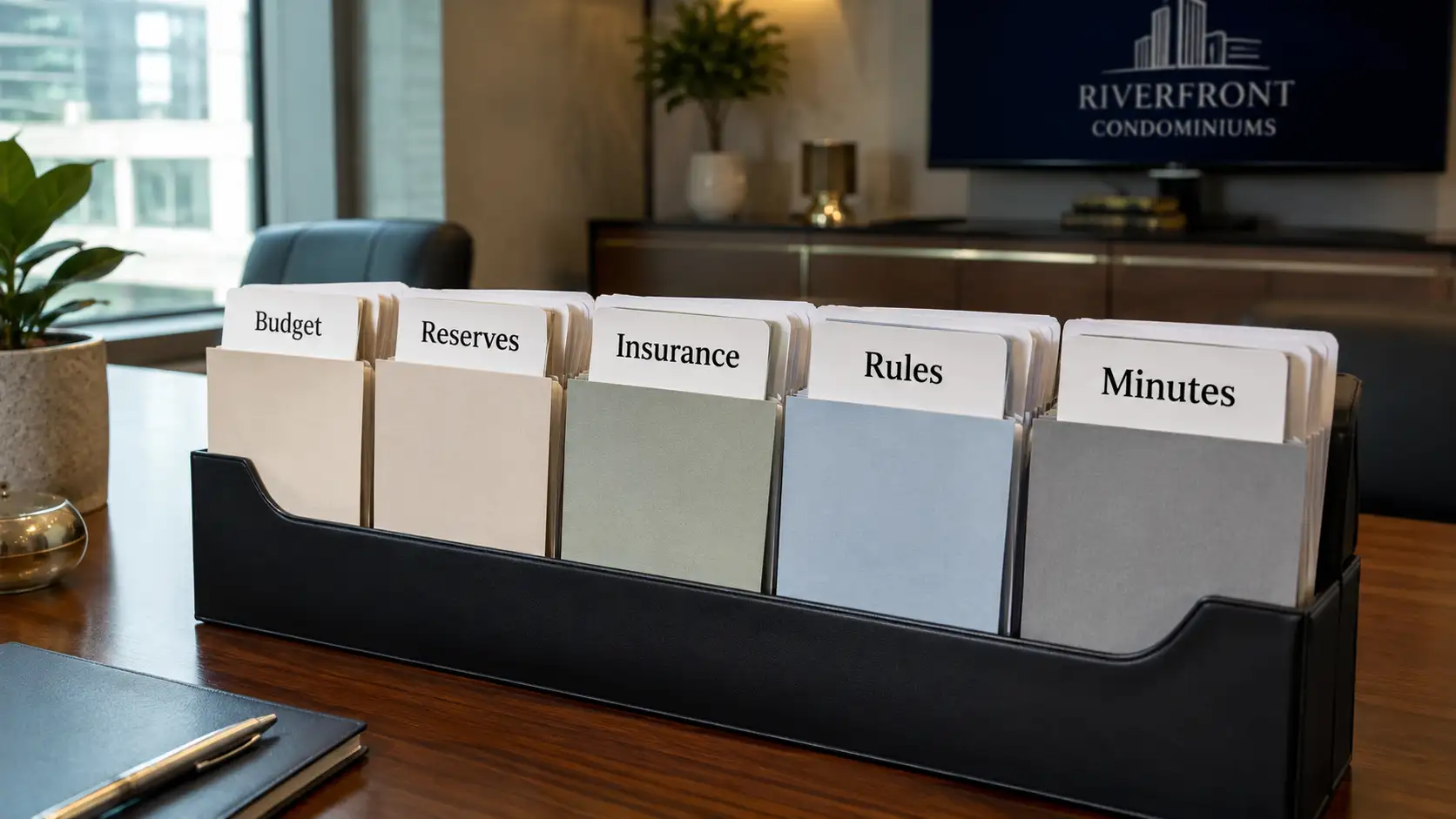
Older buildings are dealing with stronger reserve expectations, higher insurance costs, milestone inspections, structural studies, and more detailed buyer disclosures. Newer buildings may look easier, but they still require careful review of budgets, rules, leasing limits, developer turnover issues, and long-term maintenance planning.
The point is not to avoid condos. Miami and South Florida condos remain attractive for snowbirds, investors, professionals, and second-home buyers who want a lock-and-leave lifestyle. The point is to understand the building before you own inside it.
Think of Florida condo documents as your building-level inspection. A home inspection looks at the unit. The condo documents help you understand the association behind the unit.
What Are Florida Condo Documents?
Florida condo documents are the governing, financial, operational, and disclosure records connected to a condominium association and a specific unit.
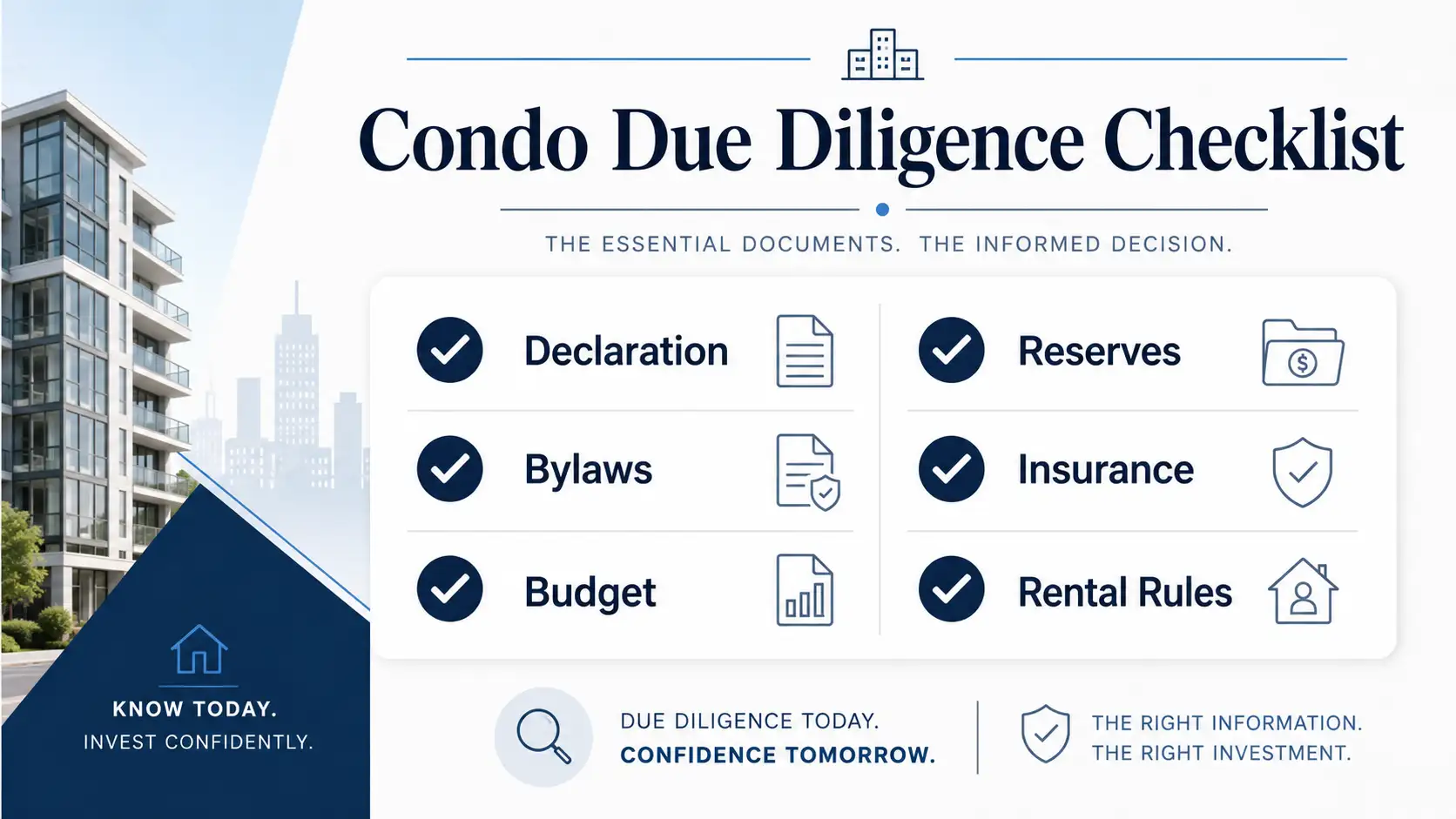
They commonly include the declaration of condominium, articles of incorporation, bylaws, rules and regulations, current budget, year-end financials, reserve information, insurance details, meeting minutes, rental rules, special assessment notices, estoppel information, and building inspection reports where applicable.
Official Florida condominium rules are tied to the Florida Condominium Act, and the state’s condominium records guidance gives buyers and owners a useful overview of the kinds of records associations may maintain.
For a buyer, the practical question is simple: do these Florida condo documents support the way you plan to use the property?
If you want seasonal rental income, the rules must support that plan. If you need financing, the building must be financeable. If you want low-maintenance ownership from Canada, the association should show organized management, realistic reserves, clean insurance, and predictable operating costs.
9 Essential Florida Condo Documents Checks Before You Buy
Use these nine checks to turn a pile of PDFs into a practical buying decision. A strong Florida condo documents review should connect legal language, financial data, and everyday ownership reality.
1. Read the declaration before you assume what you own
The declaration is the foundation of the condominium. It explains the unit, common elements, limited common elements, owner rights, association powers, maintenance responsibilities, and use restrictions.
This is where buyers often discover details they did not notice in the listing. A balcony, parking space, storage cage, dock, cabana, or rooftop area may not be owned the way you assumed. Some items are deeded. Some are assigned. Some are limited common elements. Some can be reassigned under certain rules.
When reviewing Florida condo documents, ask: what exactly comes with the unit, what is shared, and who pays to repair each part?
2. Compare the bylaws and rules to your lifestyle
The bylaws and rules explain how the building operates day to day. They may cover pets, guests, parking, renovations, elevator reservations, move-in deposits, noise, amenity use, package delivery, smoking, bikes, storage, and access procedures.
A rule that seems minor can become a daily frustration. For example, a building may restrict large pets, limit guest stays, require board approval for tenants, or allow renovations only during narrow hours.
For Canadian snowbirds, this matters because you may use the condo differently from a full-time resident. You may host family for extended winter stays, leave the unit vacant for part of the year, or rely on a property manager to coordinate access. The rules should make that realistic.
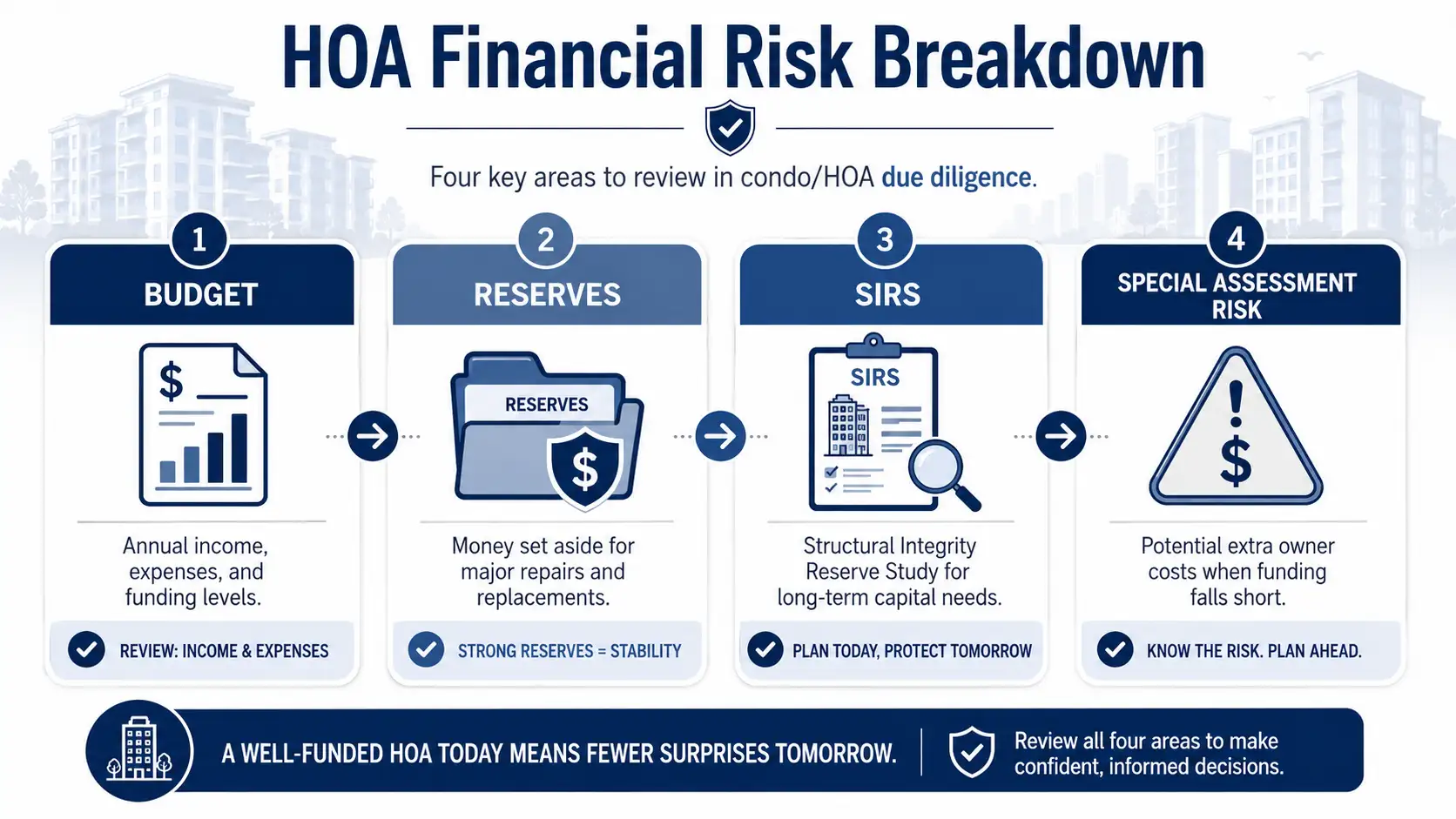
3. Study the budget, not just the monthly HOA fee
Many buyers compare condos by monthly HOA fee, but the better question is what the fee actually covers. Florida condo documents help you see whether today’s fee is realistic or simply postponing tomorrow’s costs.
Review the current budget and year-end financial statement. Look for insurance, management fees, staffing, security, utilities, elevator maintenance, landscaping, reserves, repairs, legal fees, and bad debt from unpaid assessments.
A lower monthly fee is not always better. It can mean the building is efficient, but it can also mean reserves are thin or maintenance has been postponed. A higher fee can feel painful, but it may reflect realistic planning in a full-service building.
Miami P&B Investments’ guide to Miami HOA fees is a useful companion when you want to understand how monthly dues connect to insurance, reserves, amenities, and long-term ownership costs.
4. Review reserves, SIRS, and milestone inspection information
This is one of the most important parts of Florida condo documents in older South Florida buildings.
Ask whether the association has a current reserve study, Structural Integrity Reserve Study, milestone inspection report, or related engineering summary. Review whether major building systems are being funded realistically, especially roofs, waterproofing, windows, structural components, elevators, plumbing, electrical systems, fire safety systems, and concrete restoration.
Should you walk away if a building has upcoming repairs? Not automatically. Repairs can be normal, especially in coastal buildings. The bigger issue is whether the association has identified the work, priced it honestly, funded it responsibly, and communicated clearly with owners.
If the answer is unclear, compare this section with Miami P&B Investments’ article on Florida condo special assessments.
5. Read meeting minutes for what the budget does not say
Meeting minutes can reveal the real conversation inside the building. In many cases, this is where Florida condo documents become most useful because they show issues before they become formal assessments.
Budgets show numbers. Minutes can show pressure points. Look for repeated discussions about leaks, concrete repairs, elevator failures, roof issues, insurance increases, legal disputes, owner complaints, rental violations, security problems, unpaid assessments, or management turnover.
One negative comment does not ruin a deal. Repeated unresolved issues are different. When Florida condo documents show the same problem appearing month after month, that problem deserves a deeper review before you remove contingencies.
6. Confirm rental rules before you project income
If you are buying as an investor, rental rules are not a detail. They are the business model.
Some Miami buildings allow annual leases only. Some allow seasonal rentals. Some limit the number of leases per year. Some require a waiting period before a new owner can rent. Some allow short-term rentals only in very specific building types or locations.
Before you rely on projected rental income, compare the rules with your intended use. A condo that looks profitable on paper can become a poor fit if the association allows only one lease per year or requires a minimum lease term that does not match your strategy.
For a deeper breakdown, read the Miami P&B Investments guide to Miami condo rental restrictions.
7. Check insurance, deductibles, and loss assessment exposure
Insurance is often buried inside Florida condo documents, but it can shape the true cost of ownership.
Ask for the association’s master insurance information and confirm what the building policy covers. Then compare that with the coverage you may need through your own unit policy. Pay attention to hurricane deductibles, flood exposure, exclusions, coverage limits, and whether owners could face a loss assessment after a major claim.
This is especially important in waterfront or coastal areas. A high-floor unit may feel removed from flood risk, but the building’s garage, elevators, lobby, electrical rooms, and common systems may still affect association insurance and future costs.
Miami P&B Investments’ article on Miami property insurance costs explains how insurance can change the full ownership picture.
8. Look for litigation, violations, and management concerns
Not every lawsuit is a deal-breaker. Condo associations may be involved in ordinary collections, vendor disputes, construction claims, insurance claims, or enforcement matters.
Still, litigation can affect financing, reserves, insurance, owner morale, and resale value. Ask what the case is about, whether insurance is defending it, what the potential exposure is, and whether lenders have raised concerns.
Also look for management issues. Frequent manager turnover, missing records, delayed financials, disorganized responses, and unclear answers can signal that ownership may be harder than expected.
9. Use the estoppel and lender review as final cross-checks
The estoppel certificate helps confirm unit-specific financial details near closing, such as regular assessments, special assessments, transfer fees, violations, and amounts owed by the seller.
It should not be your first look at the building. It is better treated as a final cross-check against the Florida condo documents you already reviewed earlier.
If you are financing, your lender may also perform a condo project review. This can raise issues such as insurance, reserves, litigation, ownership concentration, commercial space, delinquency rates, or building eligibility. If you want to understand why some buildings create financing challenges, Miami P&B Investments’ article on non-warrantable condos in Florida is a useful next read.
Quick Florida Condo Documents Review Table
| Document | What It Helps You Understand | Possible Red Flag |
|---|---|---|
| Declaration | Ownership rights, common elements, maintenance duties | Unclear parking, balcony, dock, or repair responsibility |
| Rules and regulations | Pets, guests, renovations, rentals, building use | Rules that conflict with your lifestyle or rental plan |
| Budget and financials | Income, expenses, reserves, insurance, collections | Thin reserves, repeated deficits, or rising bad debt |
| SIRS or reserve study | Major repair planning and future funding needs | Large unfunded repairs or missing updated reports |
| Meeting minutes | Real building issues and owner concerns | Repeated unresolved repairs, insurance, or legal problems |
| Insurance documents | Master policy, deductibles, flood and wind exposure | High deductibles, unclear coverage, or likely assessment risk |
| Estoppel | Unit-specific amounts due and closing-related charges | Unexpected assessments, violations, or unpaid balances |
How Canadian Buyers Should Read Florida Condo Documents
Canadian buyers should review Florida condo documents through a cross-border lens.
First, convert all recurring costs into Canadian dollars. HOA fees, insurance, taxes, assessments, repairs, legal fees, accounting costs, and management fees are usually paid in U.S. dollars. A number that looks manageable in USD can feel different when the Canadian dollar is weak.
Second, think about distance. If a pipe leaks, an assessment vote is scheduled, a tenant needs approval, or a hurricane affects the building, who handles the details while you are in Canada?
Third, connect the documents to tax and ownership structure. If you will rent the unit, you need clean income and expense tracking. If you are buying through an entity, confirm how the association treats entity ownership. Miami P&B Investments’ accounting and legal services pages explain how the right professional support can make cross-border ownership easier.
For a broader planning framework, review the dedicated page for Canadian investors in Miami real estate.
How to Compare Documents Across Miami and South Florida Neighborhoods
Florida condo documents should be interpreted in context. A luxury tower in Brickell may have higher staffing and amenity costs than a smaller boutique building. A bayfront property in Edgewater may require extra attention to insurance, waterproofing, and reserves. A quieter building in Bay Harbor Islands may offer a different lifestyle profile from a larger urban tower.
In Aventura, many buyers compare established waterfront condo buildings with strong amenities and older infrastructure. In Coconut Grove, buyers may compare boutique condos, townhomes, and luxury residences with very different maintenance obligations.
The right question is not “Which neighborhood has perfect documents?” The better question is “Do these documents match the price, building age, location, ownership plan, and risk level?”
What If the Florida Condo Documents Arrive Late or Look Incomplete?
Do not ignore missing documents. A clean, organized association should be able to provide core records without confusion. When Florida condo documents are incomplete, buyers should slow down instead of guessing.
If documents arrive late, are outdated, or raise new concerns, ask for clarification before moving forward. Your real estate advisor, attorney, lender, insurance professional, and property manager may all need time to review different pieces.
Florida Realtors has also noted that updated condo contract tools allow buyers to request additional association records when agreed in the contract, such as recent agendas, minutes, and insurance declaration pages. That makes it even more important to ask early instead of waiting until the final days before closing.
Do you need a lawyer to review Florida condo documents? For many buyers, especially Canadians and investors, legal review is a smart layer of protection. Your agent can help identify practical concerns, but an attorney can interpret legal language, contract rights, entity ownership questions, and closing risks.

How Miami P&B Investments Helps Buyers Review the Full Condo Picture
Florida condo documents are not just paperwork. They are the map of your future ownership experience.
At Miami P&B Investments, we help buyers look beyond the listing and evaluate the full condo picture: building finances, reserves, HOA fees, insurance, rental rules, special assessment risk, neighborhood fit, financing concerns, maintenance needs, and long-distance management.
Our real estate services help you compare properties with investment logic. Our property management services support owners who will not be in South Florida full-time. Our property maintenance and construction services help protect and improve the property after closing.
For Canadian buyers, this local support is especially valuable. You need someone who understands Miami buildings, South Florida ownership costs, Canadian investor concerns, and the practical realities of managing property from another country.
If you are comparing condos in Miami or South Florida, review the documents before you commit. Then let the right local team help you turn those documents into a confident decision.
To discuss a specific condo, building, or investment plan, contact Miami P&B Investments and schedule a consultation before you move forward.