
Miami condo rental restrictions are one of the most overlooked deal-breakers in South Florida real estate.
Buyers fall in love with the view, the lobby, the amenities, or the projected rental income. Then the real documents arrive, and suddenly the building only allows one lease per year, requires board approval, bans corporate tenants, or blocks rentals under six months.
That changes the entire investment thesis.
For end-users, this affects flexibility. For investors, it affects cash flow. For Canadians and other out-of-state buyers, it can affect whether the property works at all when you are not in Florida full-time.
If you are browsing Homes for Sale in Miami Florida or comparing options across Miami real estate, understanding rental policy should happen early, not after you are emotionally attached to a unit.
Why Miami condo rental restrictions matter more in 2026
Miami condo rental restrictions matter more now because buyers are no longer evaluating condos on price alone.
They are evaluating total flexibility.
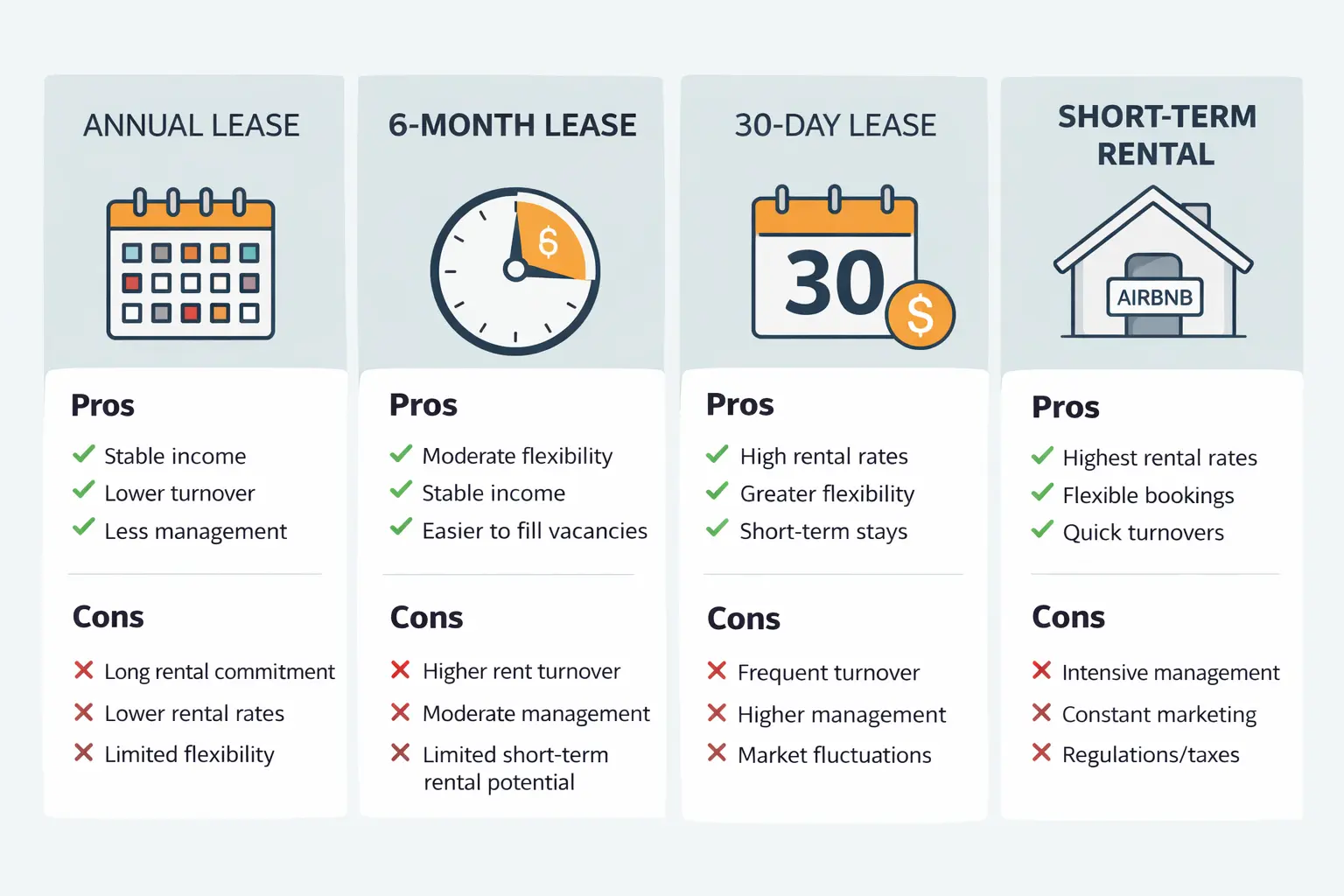
In one building, an owner may be allowed to rent twice a year with a 6-month minimum. In another, the same buyer may be able to rent every 30 days. In a third, the association may require a waiting period after purchase before leasing is allowed. On paper, all three units might look similar. In practice, they serve completely different ownership goals.
That is especially important in today’s market, where buyers are already weighing Miami HOA fees, Florida condo special assessments, and whether a building could be considered non-warrantable for financing purposes.
Rental rules sit right in the middle of that conversation.
A condo can be a great lifestyle purchase and still be a poor rental property. It can also be an excellent rental property and a bad fit for an owner who wants maximum personal use. The point is not whether one rule set is “good” or “bad.” The point is whether the building’s rule set matches your real plan.
The 9 Miami condo rental restrictions buyers should check first
Before you make an offer, review these nine items carefully.
1. Minimum lease term
This is the headline rule most buyers ask about first.
Can the unit be rented for less than 30 days? Is the minimum 30 days, 90 days, 6 months, or 12 months? A building that only allows annual leases will appeal to a very different tenant base than one that allows shorter stays.
2. Number of leases allowed per year
A 30-day minimum does not automatically mean unlimited rentals.
Some buildings allow 30-day leases but cap the number of rentals per year. Others allow only one or two leases annually, even if the minimum term is shorter.
3. Waiting period after purchase
Some associations do not allow new owners to lease immediately.
That can be a surprise for buyers who expected to close, furnish the unit, and start generating income right away.
4. Board approval and interviews
In many buildings, the tenant is not approved until the association signs off.
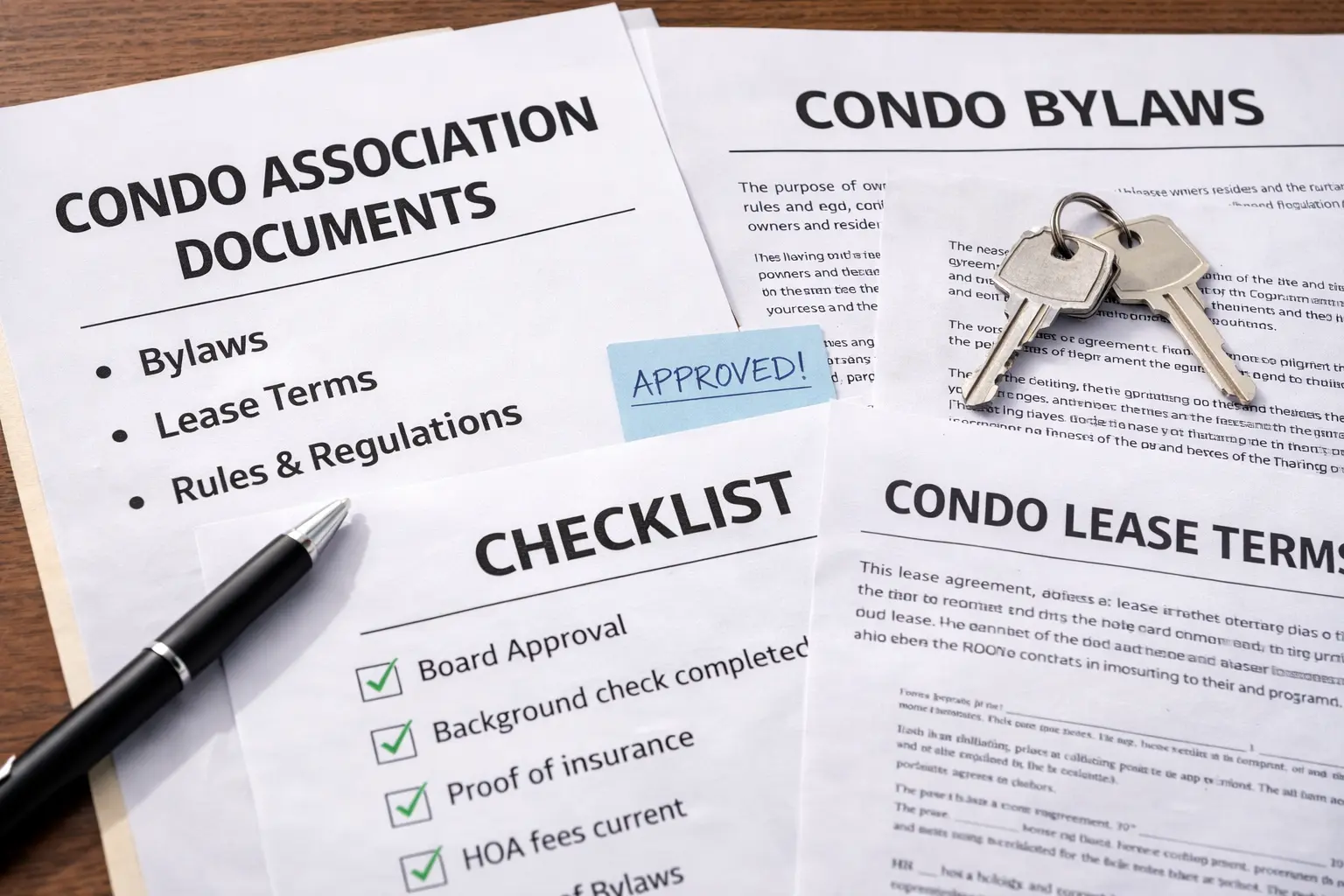
That can involve an application, background check, reference review, interview, fees, and extra waiting time. If speed matters, this rule matters.
5. Tenant screening requirements
Some associations require minimum credit, income thresholds, or additional documentation from tenants.
That is not necessarily negative. In some buildings it protects quality and long-term stability. But it does narrow the pool.
6. Corporate lease or LLC restrictions
Investors often buy through entities for liability, tax, or estate planning reasons.
But not every building likes entity-based ownership or corporate leases. If your legal structure matters, coordinate early with your real estate legal team and accounting team.
7. Subleasing and guest rules
A building may allow leasing but prohibit subleasing, roommate arrangements, license agreements, or certain guest patterns.
That becomes important for owners who think they can “work around” a restrictive lease policy.
8. Furnished rental policies and move-in rules
Some buildings limit move-ins to certain days or require deposits, elevators reservations, or additional paperwork for furnished rentals.
Operational friction matters more than many buyers realize.
9. Rule amendment risk
The current rule is not the only thing that matters.
Buyers should also ask whether the association has discussed changing rental policies, tightening approval standards, or reacting to recent complaints. Board minutes can be revealing.
| Restriction Type | What It Means | Why It Matters |
|---|---|---|
| Minimum lease term | 30 days, 90 days, 6 months, or 12 months | Directly affects income model and tenant profile |
| Leases per year | Cap on how often you can re-rent | Limits flexibility even if short terms are allowed |
| Board approval | Tenant must be reviewed or interviewed | Adds time and uncertainty to leasing |
| Waiting period | New owner cannot lease immediately | Can disrupt first-year cash flow |
| Entity or corporate lease rules | Limits on LLC ownership or company leases | Important for investors and cross-border structuring |
| Guest/subleasing rules | Restrictions on occupancy or indirect rentals | Reduces workaround options |
Can Miami condo rental restrictions override city or county rules?
Yes, and this is where many buyers get confused.
Public rules and condo rules are not the same thing.
A property might be in an area where local rules permit short-term or transient use, but the condo association can still prohibit it through the declaration, rules, or leasing policy. On the public-law side, buyers should understand the Miami-Dade short-term vacation rental standards, the City of Miami short-term rental and lodging procedures, and, if they are targeting coastal inventory, the Miami Beach vacation rental rules.
But those municipal rules are only one layer.
The building is another layer.
That is why Miami condo rental restrictions have to be reviewed as both a legal and operational issue. You need to know what the city allows, what the county requires, and what the building itself will accept.
Can you rent a Miami condo for less than 30 days?
Sometimes, but never assume.
In some areas, anything under 30 days enters a very different compliance category. In some buildings, short stays are prohibited even when the jurisdiction may allow them. In other buildings, the product was specifically designed for more flexible use.
A buyer who plans to offset carrying costs with shorter stays should never rely on marketing language alone. “Investor-friendly” is not a legal definition.
How to check Miami condo rental restrictions before you go under contract
The best approach is simple: move the building review earlier.
Ask for the declaration, bylaws, house rules, leasing rules, application package, and recent board minutes before you get too far into the deal. If available, ask for the current estoppel and any rental-related amendments as well.
This is also a good time to review the Florida DBPR condominium resources so you understand the broader condo environment in Florida.
Here are the practical questions to ask:
- What is the minimum lease term?
- How many leases are allowed per year?
- Is there a waiting period after purchase?
- Does the board approve tenants?
- Are application fees or interviews required?
- Are LLC ownership or corporate leases permitted?
- Are seasonal rentals treated differently than annual rentals?
- Have rental rules changed recently, or are changes being discussed?
The smartest buyers also compare the rental rule to their actual plan.
If you want steady, low-turnover income, a stricter building may be perfectly fine. If you want flexibility because you will use the condo seasonally and rent the rest of the year, Miami condo rental restrictions become much more important.
Miami condo rental restrictions by neighborhood: what changes in practice
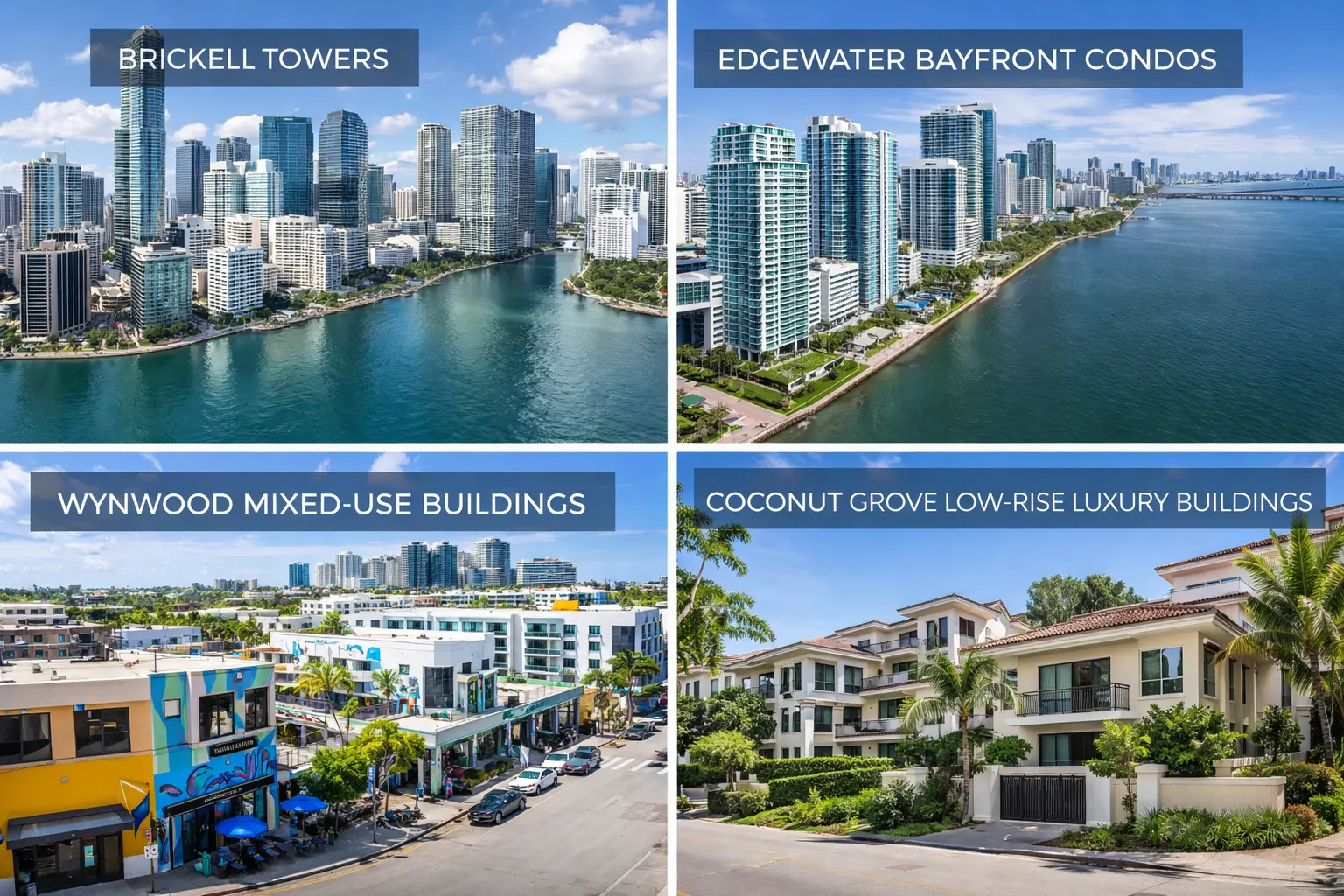
Miami condo rental restrictions are building-specific, not neighborhood-specific, but neighborhood patterns still matter because certain building types cluster together.
In Brickell, buyers often encounter high-rise towers where lease policy, approval procedures, and operational rules can be more formal. This is one reason Brickell buyers should review both the building’s rental policy and the total carrying cost together.
In Edgewater, the mix of newer towers and investor attention means rule differences between buildings can be dramatic. Two bayfront condos on the same street can have very different rental flexibility.
In Wynwood, buyers are often attracted by the neighborhood’s energy and investment story, but mixed-use formats and evolving product types mean rule review is especially important.
In Coconut Grove or Bay Harbor Islands, boutique buildings can create a very different ownership experience. Some buyers love that. Others discover too late that the rental rules are tighter than expected.
And when you compare markets beyond core Miami, such as Fort Lauderdale, Boca Raton, or West Palm Beach, the same lesson still applies: the unit matters, but the building rules often matter just as much.
Why Miami condo rental restrictions matter even more for Canadian buyers
Miami condo rental restrictions matter even more for Canadian buyers because many ownership plans are hybrid.
A Canadian buyer may want personal use in winter, occasional family use in shoulder season, and rental income the rest of the year. That sounds sensible. But it only works if the building allows that pattern.
A condo with one lease per year and a 12-month minimum does not fit that model.
A condo that allows multiple 30-day leases may fit much better.
This is also why Canadian buyers should review rental rules alongside financing, taxes, and currency exposure. A building may look attractive until you factor in mortgage structure, property taxes for non-residents, and currency exchange risk. For many cross-border buyers, rental flexibility is what makes the overall ownership math work.
That is one reason pages like For Canadian Investors and Canadian Snowbirds Realty are so relevant to this discussion. The right condo is not just the prettiest unit. It is the one that fits your real lifestyle, tax position, and leasing plan.

A simple due diligence example
Imagine two condos priced similarly.
Unit A is in a beautiful building, but it only allows one lease per year, requires board approval, and prohibits leasing during the first year of ownership.
Unit B is slightly less flashy, but it allows multiple leases per year, has a 30-day minimum, and runs a smoother approval process.
If you are a local end-user planning to live there full-time, Unit A may be fine.
If you are an investor or seasonal owner, Unit B may be far more valuable to you, even if the purchase price is a little higher.
That is why Miami condo rental restrictions should be treated as part of valuation, not as a side note.
How Miami P&B Investments helps you decode Miami condo rental restrictions
Miami condo rental restrictions are not something most buyers should try to decode alone.
At Miami P&B Investments, the goal is not just to help clients find a unit. It is to help them buy the right building for their intended use.
That starts with real estate guidance and property selection. It continues with document review support, practical coordination through legal services, and ownership-planning support through accounting services. After closing, buyers who plan to rent remotely can rely on property management and property maintenance to keep the asset performing properly year-round.
That matters whether you are buying your first South Florida condo, adding to a portfolio, or comparing neighborhoods like Brickell, Edgewater, Coconut Grove, Wynwood, Bay Harbor Islands, or the broader South Florida market.
If you want help comparing buildings before you make an offer, or you want a second set of eyes on rental policy, lease flexibility, and ownership fit, the next smart step is to contact Miami P&B Investments. The right condo is not just a beautiful address. It is a property whose rules actually support your plan.