If you are a Canadian investor considering a Miami condo purchase, Florida condo special assessments are the single most important financial risk you need to understand in 2026. New state laws, rising insurance costs, and mandatory structural inspections have dramatically changed the true cost of condo ownership across South Florida. Whether you are looking at towers in Edgewater or luxury units in Brickell, Florida condo special assessments now affect every building and every buyer. This guide breaks down exactly what is happening, why it matters to you as a Canadian, and the due diligence steps that can protect your investment
What Are Florida Condo Special Assessments and Why Should Canadians Care?
A special assessment is a one-time fee charged by a condo association to cover expenses that regular monthly HOA dues cannot fund. These typically pay for major structural repairs, roof replacements, elevator modernization, or emergency work that the building’s reserve account cannot absorb. Unlike your predictable monthly HOA payment — which we broke down in detail in our Miami HOA Fees in 2026 guide — Florida condo special assessments can arrive with little warning and carry price tags ranging from $10,000 to over $400,000 per unit.
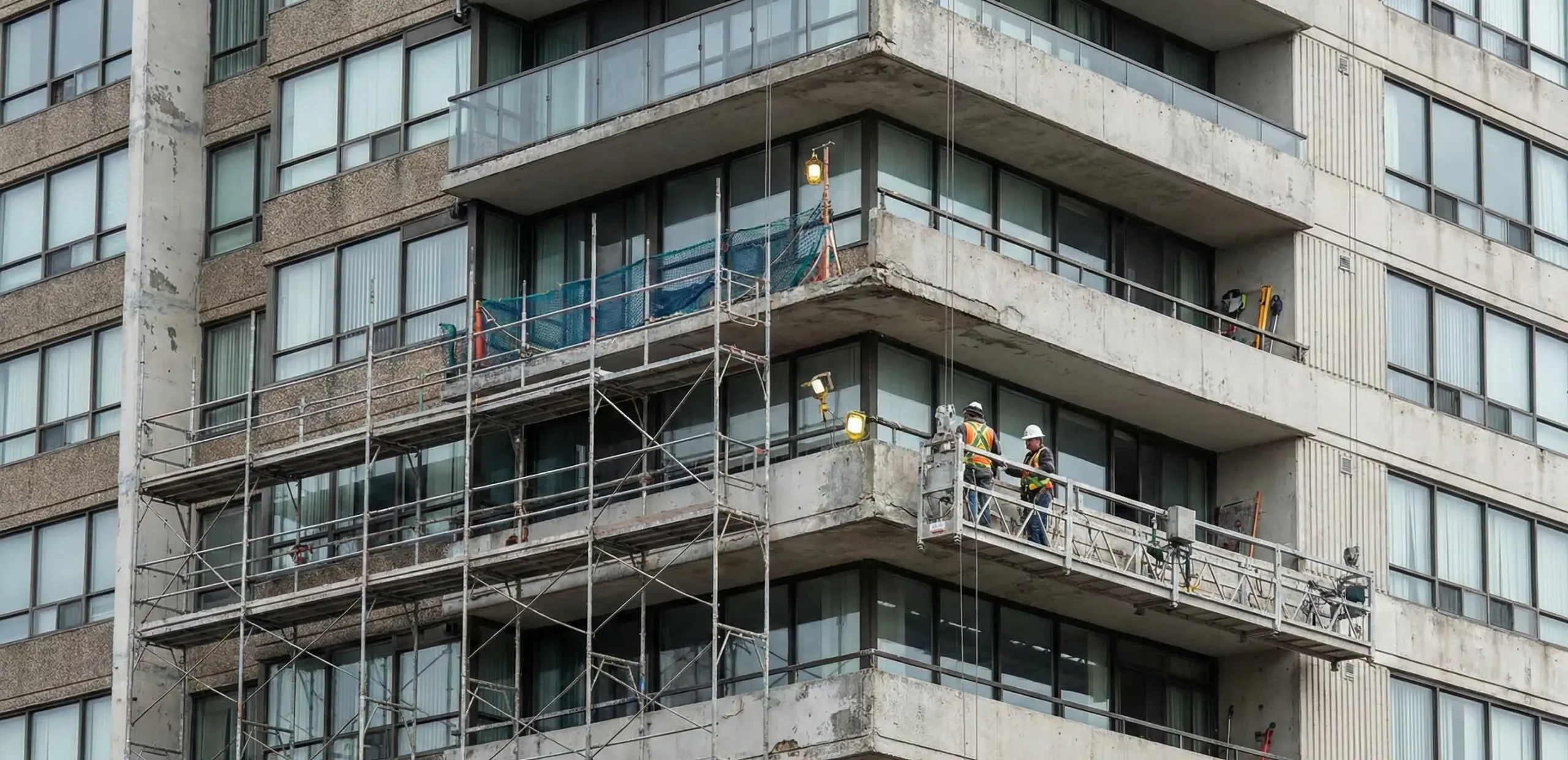
The numbers are not hypothetical. At The Cricket Club in North Miami, residents received Florida condo special assessments as high as $134,000 per unit in 2024. At Mediterranean Village in Aventura, some owners were hit with assessments reaching $400,000. These are life-altering figures for anyone, but for Canadian investors who manage properties remotely and budget in Canadian dollars, a surprise five- or six-figure assessment can fundamentally destroy the economics of what seemed like a solid investment.
That is why understanding Florida condo special assessments before you buy is not optional in 2026. It is not enough to evaluate the purchase price and monthly fees. You need to evaluate the building’s structural condition, reserve health, insurance coverage, and compliance status before you commit. As we explain in our step-by-step guide for Canadians buying property in Miami, the total cost of ownership now extends far beyond the closing table.
The Laws Behind the Cost Increases: SIRS, SB 4-D, and HB 913
The current wave of Florida condo special assessments traces directly back to the Champlain Towers South collapse in Surfside, Florida, on June 24, 2021. That catastrophic event killed 98 people and exposed decades of deferred maintenance across Florida’s aging condo stock. In response, the Florida Legislature enacted sweeping safety laws that are now the primary driver of Florida condo special assessments across the state.
Senate Bill 4-D (2022) introduced two mandatory requirements for all condominium buildings three or more habitable stories in height. First, a Structural Integrity Reserve Study (SIRS) that evaluates the condition of eight critical building components: the roof, load-bearing walls and primary structural members, fireproofing and fire protection systems, plumbing, electrical systems, waterproofing and exterior painting, windows and exterior doors, and any other item exceeding $25,000 in replacement cost that affects structural integrity. Second, a milestone inspection for buildings that have reached 30 years of age (or 25 years if located within three miles of the coastline), with Phase I and Phase II structural evaluations. The Florida DBPR maintains full details on inspection requirements and compliance deadlines.
Senate Bill 154 (2023) clarified timelines, allowed associations with milestone inspections due by December 31, 2026, to coordinate both studies together, and required a majority vote of all voting interests to waive non-SIRS reserves.
House Bill 913 (2025) extended the initial SIRS completion deadline to December 31, 2025, clarified that “habitable stories” excludes parking garages, and introduced more flexible funding options including loans, lines of credit, and Florida condo special assessments approved by majority owner vote.
The critical deadline reshaping the market right now: any condo budget adopted on or after January 1, 2025, must include SIRS reserve funding. Associations can no longer waive reserves for SIRS components. This means that as of 2026, every covered building in Florida must be actively funding structural reserves, and many are discovering that decades of underfunding have created massive shortfalls that can only be closed through Florida condo special assessments.
Why Florida Condo Costs Are Rising in 2026
Several converging forces are driving Florida condo special assessments to record levels. Understanding each one helps you evaluate risk on a building-by-building basis.
Reserve Funding Gaps
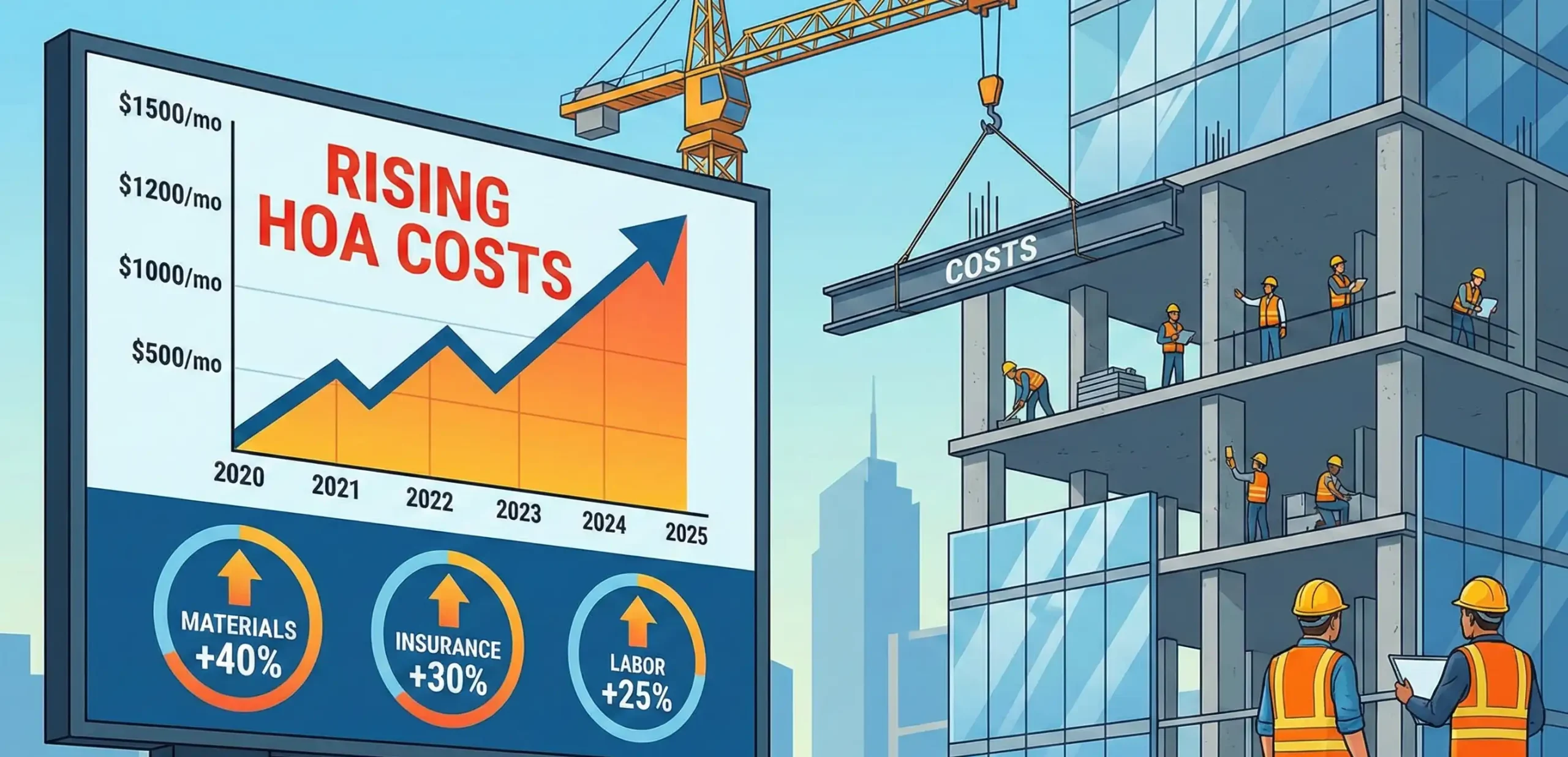
Many older condo associations historically waived or minimized reserve contributions. Now that waiving SIRS reserves is prohibited, buildings that deferred maintenance for decades must fund 25-year reserve plans that can require hundreds of dollars per unit per month in additional contributions. According to industry reports, reserve funding increases of 30 to 40 percent are common among South Florida associations completing their first SIRS. When the gap between what a building has saved and what it needs is too large for monthly dues to bridge, the result is Florida condo special assessments levied against unit owners.
Insurance Premium Pressure
Florida has had the most expensive home insurance in the nation for several years. Between 2014 and 2024, active home insurance policies in the state dropped from roughly 3.2 million to 710,000 as carriers fled the market. Condo associations that struggled to find coverage faced steep premium hikes passed directly to unit owners through higher HOA fees. Median high-rise HOA fees in Miami exceeded $1,900 per month in 2025, approximately $500 more than the year before, with waterfront towers posting roughly 26 percent year-over-year increases. When a building’s insurance premium doubles in a single year, the association often has no choice but to levy Florida condo special assessments to cover the shortfall.
Structural Repair Costs
Buildings that failed milestone inspections or received SIRS reports identifying critical deficiencies face immediate repair obligations. Concrete restoration, waterproofing, roof replacement, and fire system upgrades in aging high-rises can run into the tens of millions of dollars. When reserves are insufficient, the only tool available is Florida condo special assessments levied against individual owners, sometimes with payment deadlines as short as 90 days.
Financing and Warrantability Challenges
Only 0.9 percent of South Florida condo buildings currently qualify for FHA-approved loans. Many buildings lack the insurance coverage or reserve levels that Fannie Mae and Freddie Mac require for conventional financing. This limits the buyer pool, puts downward pressure on resale values, and can leave Canadian investors — especially those planning their FIRPTA tax strategy around a future sale — with fewer exit options than expected.
Good News: Insurance Market Stabilization Is Underway
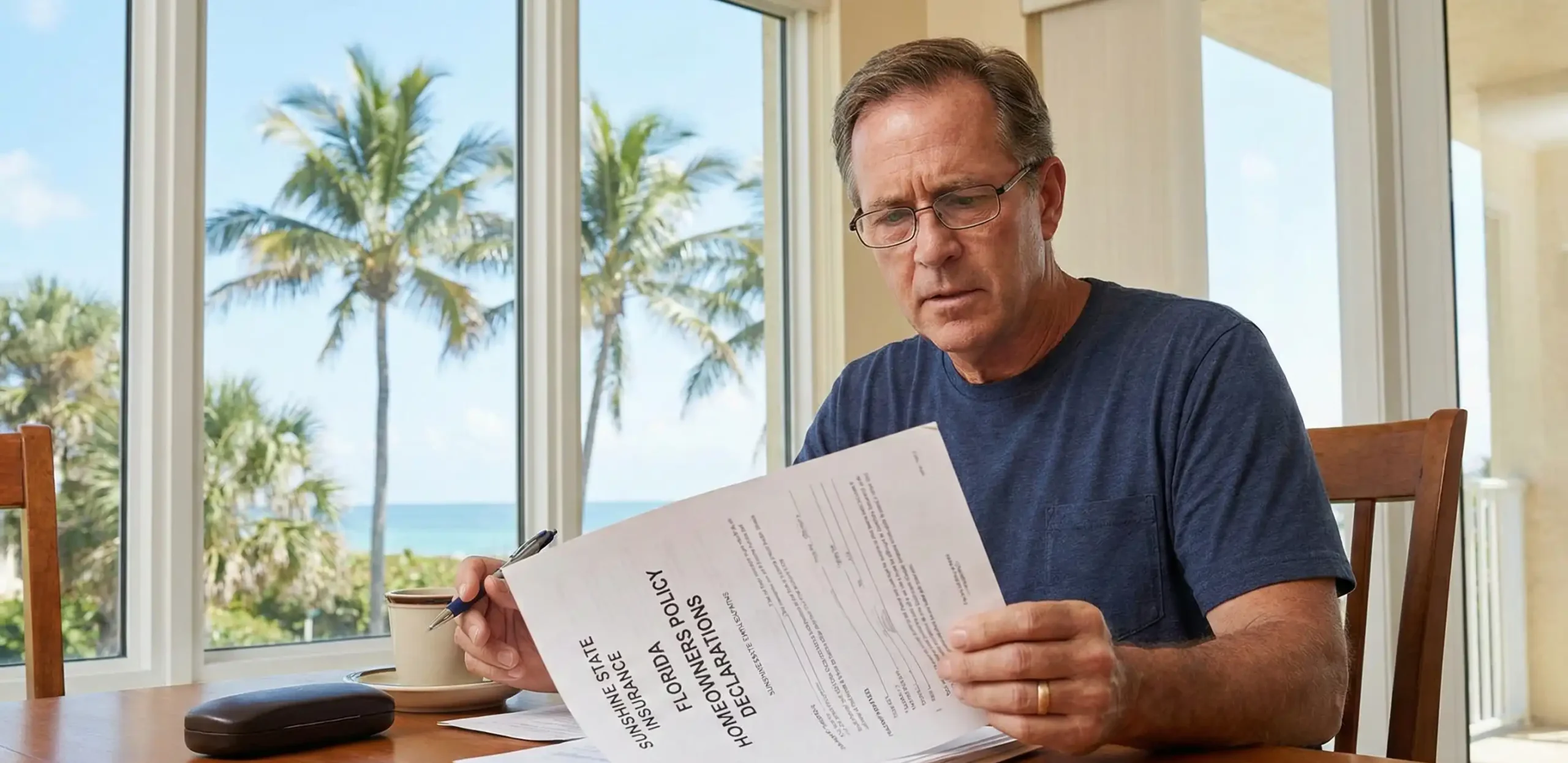
While the cost pressures behind Florida condo special assessments are real, 2026 is also bringing the first meaningful signs of relief on the insurance side.
In January 2026, Governor DeSantis announced that Citizens Property Insurance, Florida’s state-backed insurer of last resort, would reduce rates by a statewide average of 8.7 percent, the most significant reduction in recent memory. More than 330,000 policyholders across all 67 counties will see premium decreases beginning at policy renewal in spring 2026. South Florida is getting the largest cuts, with Miami-Dade County seeing an average reduction of 14.0 percent and Broward County averaging 14.1 percent.
Multiple private carriers have also filed for rate decreases. State Farm filed for a 10 percent statewide reduction. Florida Peninsula Insurance filed for an 8.4 percent decrease on homeowners policies and a 12 percent reduction specifically for condominium owners. Heritage Property and Casualty received approval for reductions of 7 to 9.6 percent depending on county. Patriot Select Insurance plans to lower premiums by 11.3 percent.
The reforms driving this stabilization include the elimination of one-way attorney fees and assignment-of-benefit abuse, which previously made Florida responsible for roughly 73 percent of all homeowners insurance lawsuits nationwide despite representing less than 11 percent of total claims. According to the Florida Office of Insurance Regulation, seventeen new insurance companies have entered the Florida market since the 2022 reforms, and Citizens’ policy count has dropped 50 percent to its lowest level in 14 years.
For Canadian condo investors, this insurance stabilization is significant. Lower building-level premiums directly reduce HOA fees and decrease the likelihood of insurance-driven Florida condo special assessments going forward. Canadian buyers who are also tracking the impact of Bank of Canada rate cuts on their purchasing power will find that falling Florida insurance costs and favorable BoC policy create a dual tailwind for 2026 purchases.
The Canadian Buyer’s Due Diligence Checklist for Florida Condo Special Assessments
This is the most important section of this guide. Before you close on any Miami condo, request and review every item on this list. Skipping even one can expose you to tens of thousands in unexpected Florida condo special assessments after closing.
1. Request the SIRS Report
Every covered building should have a completed Structural Integrity Reserve Study by now. Ask for the full report, not a summary. Look for the estimated remaining useful life of each component, the recommended 25-year reserve funding schedule, and any items flagged for immediate repair. If the building has not completed its SIRS, that is a major red flag that large Florida condo special assessments are almost certainly coming.
2. Review the Milestone Inspection Report
If the building is 25 to 30 years old or older, a milestone inspection should be on file. A Phase I report that identifies no substantial structural deterioration is a positive sign. If a Phase II inspection was triggered, review the findings carefully and ask what repairs have been completed or scheduled. Unresolved Phase II findings are a leading predictor of future Florida condo special assessments.
3. Examine the Reserve Study and Fund Balance
Request the most recent reserve study and the current reserve fund balance. Compare the actual balance against the SIRS-recommended funding level. A building that is severely underfunded will almost certainly levy Florida condo special assessments in the near future to close the gap.
4. Request the Last Three Years of Financial Statements
Look for patterns: rising insurance costs, increasing maintenance expenses, deferred capital projects, and any prior special assessments. Buildings that have already addressed their major issues and are currently funding reserves at SIRS-recommended levels may be safer bets than buildings that have been delaying action.
5. Ask About Pending or Planned Assessments
Florida law requires associations to disclose pending assessments, but assessments that are under board discussion but not yet formally voted on may not appear in standard disclosures. Ask the property manager and the board directly: are any Florida condo special assessments under consideration or expected within the next 12 to 24 months?
6. Verify Insurance Coverage and Warrantable Status
Request the building’s current insurance policy declarations page. Confirm that coverage meets Fannie Mae and Freddie Mac warrantability requirements, especially if you plan to resell to financed buyers. Check for gaps in wind or flood coverage. Verify the deductible amount, as high deductibles can trigger Florida condo special assessments after even moderate storm damage. Canadian buyers financing through cross-border mortgage programs should pay particular attention to warrantability, as lenders will review these documents closely.
7. Check for Active Litigation
Lawsuits against the association, whether from owners challenging assessments, construction defect claims, or disputes with insurers, can signal financial instability and potential future costs. Active litigation can also affect warrantability and financing options for your purchase.
8. Confirm Compliance Deadlines
Verify whether the building has met all SIRS and milestone inspection deadlines. Buildings that are behind on compliance may face regulatory action from the Florida DBPR, and buyers could inherit the consequences including emergency Florida condo special assessments to bring the building into compliance.
Why 2026 Is Actually a Strategic Buying Window for Canadians
Despite the risk of Florida condo special assessments, the current market conditions are creating real opportunities for informed Canadian investors who know what to look for.
It is a buyer’s market. Miami condo inventory stands at approximately 14.1 months of supply, well above the 6 to 9 months that define a balanced market. Luxury condo inventory is even higher at roughly 20 months. The Miami Association of Realtors’ Chief Economist projects the buyer’s market will continue through mid-2026. This gives Canadian buyers significant negotiating power on both price and seller concessions, including the ability to negotiate credits that offset the risk of future Florida condo special assessments.
Sellers are adjusting. Many condo owners who cannot afford rising HOA costs and Florida condo special assessments are listing their units, increasing supply and softening prices. Miami condo median sale prices declined 1.7 percent year-over-year, and further corrections in specific buildings and neighborhoods are expected. For buyers who complete thorough due diligence, this represents a chance to acquire well-maintained units in strong buildings at prices that were not available 18 months ago.
Insurance relief is arriving. The 8.7 percent average Citizens rate cut, the 14 percent reductions in Miami-Dade, and growing private carrier competition will gradually lower the HOA burden over the next 12 to 18 months. Buying now means purchasing at today’s softer prices while benefiting from tomorrow’s lower operating costs and a reduced probability of insurance-driven Florida condo special assessments.
Miami remains the strongest Florida market. While Cape Coral, Tampa, and Jacksonville are forecast for price declines in 2026, Miami is the only major Florida metro projected for positive price growth at approximately 1.1 percent. This reflects sustained international demand, limited single-family land, and the continued influx of financial institutions and corporate relocations.
The Canadian dollar advantage. With Florida’s zero state income tax and Miami rental yields averaging 6 to 9 percent versus 3.5 to 4.2 percent in Toronto or Vancouver, the investment math still works strongly in your favor even after accounting for the higher HOA environment. The key is choosing the right building, and that means evaluating Florida condo special assessments risk before you sign.
How Miami P&B Investments Protects Canadian Buyers
At Miami P&B Investments, we built our entire business around a simple truth: Canadian investors buying Florida real estate need more than a realtor. You need a team that handles everything, from legal entity structuring and cross-border accounting to property management and ongoing maintenance.
When it comes to Florida condo special assessments and the new compliance landscape, here is how we help:
Pre-purchase due diligence. Our team reviews SIRS reports, milestone inspections, reserve studies, insurance policies, financial statements, and board minutes for every building our clients consider. We identify buildings with high Florida condo special assessments risk and steer you toward financially stable communities.
Legal and accounting support. Our in-house legal and accounting professionals structure your purchase for tax efficiency under the Canada-U.S. Tax Treaty, manage FIRPTA obligations, and ensure your entity complies with all reporting requirements including the Corporate Transparency Act, which we covered in detail in our CTA/BOI reporting update for Canadian investors.
Property management. Our property management team monitors HOA communications, tracks assessment votes, manages insurance renewals, and keeps you informed from Canada. When Florida condo special assessments are proposed at a board level, you will know about it immediately, not after it is too late.
Ongoing maintenance. Our construction and maintenance division handles unit-level repairs and renovations, ensuring your property stays in top condition and retains its value regardless of what happens at the building level.
📞 Call us at (877) 238-0307 or visit miamipbinvestments.com to book a free consultation. We will walk you through the buildings we recommend, the ones we avoid, and exactly how to protect your investment from unexpected Florida condo special assessments.
Frequently Asked Questions About Florida Condo Special Assessments
What is the average Florida condo special assessment in 2026?
Florida condo special assessments vary enormously by building. In 2024 and 2025, reported assessments ranged from $10,000 to over $400,000 per unit in extreme cases. The amount depends on the building’s age, structural condition, reserve fund balance, and insurance costs. Newer, well-maintained buildings with fully funded reserves are far less likely to levy large Florida condo special assessments.
Can a condo association levy Florida condo special assessments without owner approval?
It depends on the circumstances. For emergency repairs where structural integrity or essential services are in immediate jeopardy, Florida law allows boards to levy assessments without a membership vote. For non-emergency capital improvements, the board may need membership approval depending on the association’s governing documents. Always review the building’s declaration and bylaws before purchasing.
How do Florida condo special assessments affect Canadian investors specifically?
Canadian investors face additional complexity with Florida condo special assessments. Assessments must be paid in U.S. dollars, creating currency exposure. Large assessments can alter your projected return on investment and affect your cross-border tax position. If you hold property through a Canadian corporation registered in Florida, the assessment expense may have different tax treatment than for a personal holding. Working with a cross-border accountant is essential, and our team at Miami P&B Investments can connect you with the right professionals.
Are Miami condos still a good investment despite Florida condo special assessments?
For investors who complete proper due diligence, yes. The combination of a buyer’s market, softening prices, insurance stabilization, strong rental demand, Florida’s zero state income tax, and Miami’s position as the only major Florida market projected for positive price growth in 2026 creates a compelling opportunity. The key is choosing the right building by thoroughly evaluating SIRS compliance, reserve health, and insurance stability before buying.
Where can I check if a Florida condo has completed its SIRS?
Condo associations are required to file SIRS reports with the Florida DBPR Division of Condominiums, Timeshares and Mobile Homes through an online reporting system. You can also request the report directly from the association or property manager. The DBPR website provides inspection and compliance resources. Our team at Miami P&B Investments reviews these reports as part of every client’s pre-purchase due diligence.
Last updated: February 2026. The information in this guide is for educational purposes and does not constitute legal, tax, or financial advice. Florida condo regulations are evolving and individual building circumstances vary. Contact Miami P&B Investments at (877) 238-0307 for guidance specific to your situation.