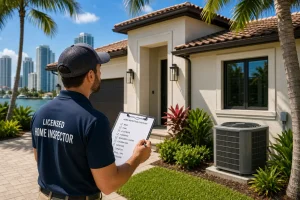
Non-warrantable condos in Florida are becoming one of the most important issues for buyers in Miami and South Florida.
A lot of buyers still focus on the obvious factors first: price, view, HOA fee, neighborhood, and whether the unit looks rentable. But in today’s market, building-level finance risk matters almost as much as the unit itself. A condo can look perfect on paper and still become a frustrating or expensive purchase if the building does not meet common lending standards.
That matters for local buyers. It matters even more for Canadians and other international buyers who are already balancing cross-border financing, tax planning, currency decisions, and future resale considerations.
If you are browsing condos in Miami, Brickell, Edgewater, Coconut Grove, Bay Harbor Islands, or Wynwood, understanding this issue early can save you time, money, and a very avoidable mistake.
For Canadians, this topic fits naturally with Miami P&B Investments’ guidance on Miami real estate for Canadian investors and its article on getting a U.S. mortgage for Canadians in Florida. But the same principles also apply to U.S. buyers, out-of-state investors, and foreign nationals planning to finance a condo anywhere in South Florida.
Why non-warrantable condos in Florida matter more in 2026
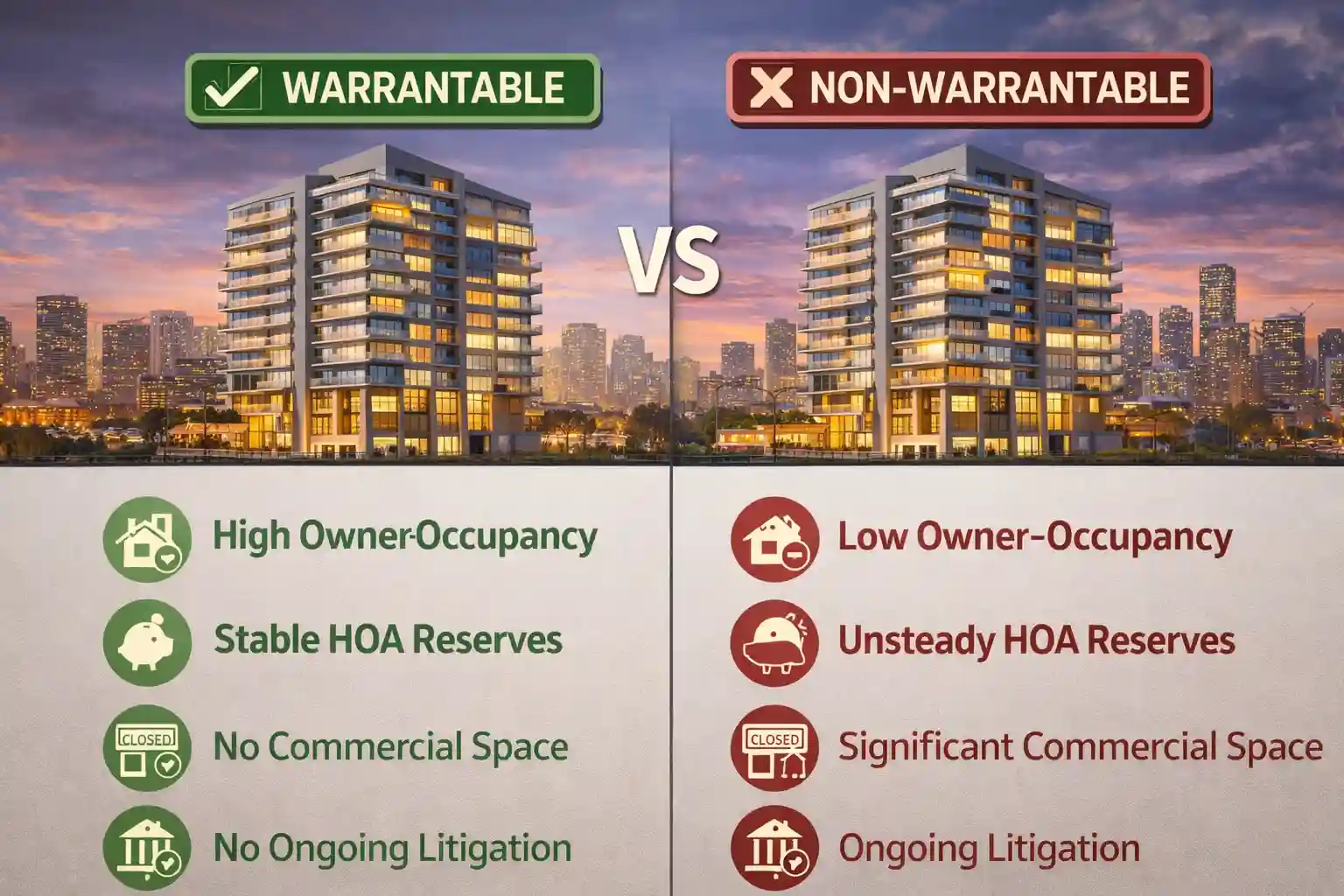
Non-warrantable condos in Florida have always existed, but they matter more now because buyers are operating in a more selective financing environment.
When rates are higher than the ultra-cheap borrowing era, lenders look more carefully at risk. They do not just evaluate the borrower. They also evaluate the building. That means reserve levels, insurance strength, pending assessments, litigation, rental structure, and overall project quality can all affect whether a buyer gets approved, what loan terms they receive, and how smoothly the closing moves forward.
That is one reason this topic now connects directly with broader condo concerns across South Florida. Buyers are no longer just asking whether the monthly payment works. They are also asking whether the building itself is financeable now and likely to stay financeable later.
This ties in closely with other important ownership costs, including Miami HOA fees, Florida condo special assessments, and longer-term holding costs for Florida property taxes for non residents. A condo decision is no longer only about the unit. It is about the full building and ownership picture.
What are non-warrantable condos in Florida?
Non-warrantable condos in Florida are condo units in projects that do not meet the standards typically preferred for conventional conforming financing.
That does not automatically mean the unit is bad. It means the project falls outside the box of what many lenders consider straightforward.
A building may become non-warrantable because of:
Low reserve funding
If the association is not setting aside enough money for future repairs and capital needs, lenders may view that as a warning sign.
Major litigation
Not all lawsuits are equal, but major structural, construction, or financial disputes can make financing harder.
Too much commercial or hotel-style use
Some buildings blur the line between a residential condo and a hospitality-driven property. That can create financing restrictions quickly.
Ownership concentration
If too many units are owned by one party or by investors, some lenders become cautious.
Insurance or structural concerns
In Florida, insurance and building condition matter more than many buyers realize. If the master policy is weak or the building faces major repair issues, that can affect financing eligibility.
Large or pending special assessments
A unit may seem affordable until the building’s deferred costs start showing up in assessment notices.
This is where buyers often ask a very fair question: does non-warrantable condos in Florida, always mean I should walk away?
The answer is no.
Some non-warrantable condos in Florida are simply more complex purchases. Others are genuinely risky. The real job is figuring out which category the building belongs in.
Warrantable vs non-warrantable: what changes for the buyer?
The difference becomes very real once money is involved.
With a warrantable condo, buyers usually have access to more loan programs, lower down payment options, and smoother underwriting.
With non-warrantable condos in Florida, buyers often face:
- fewer lenders
- higher down payment requirements
- slightly higher interest rates
- more building documentation
- more underwriting delays
- a narrower resale buyer pool later
That last point matters more than buyers think.
A lot of people focus only on the purchase. Smart buyers also think about the exit. If a condo is harder to finance today, it may also be harder to sell tomorrow, especially if your future buyer is mortgage-dependent.
That does not make the property a bad deal. It just means the discount, rental upside, location strength, and building risk all need to be weighed together.

Can Canadians finance non-warrantable condos in Florida?
Yes, but the route is often narrower.
For Canadians, the challenge is usually not whether they can buy. It is whether they can buy efficiently and with the right lender. A foreign national borrower may qualify based on income, assets, and down payment, then run into issues once the lender reviews the actual condo project.
That is why a buyer should never assume that a pre-approval solves everything.
A better question is this: can I get a mortgage on this specific building under workable terms?
That is especially important if you are comparing units in Brickell, Edgewater, Fort Lauderdale, Boca Raton, or West Palm Beach. One building may fit lender guidelines fairly well, while the one next door creates underwriting headaches.
For Canadian buyers, non-warrantable condos in Florida often push the conversation toward portfolio lenders, foreign national loan programs, or non-QM structures rather than a simpler conventional path.
That is why the mortgage side and the real estate side need to work together early. Looking only at listings without thinking about financing fit can waste weeks.
How to spot the issue before you waste time and money
The biggest mistake buyers make is falling in love with a unit before they understand the building.
When buyers ask how to avoid getting blindsided by non-warrantable condos in Florida, the answer is simple: move the building review earlier.
Before you commit too far, pay attention to the following.
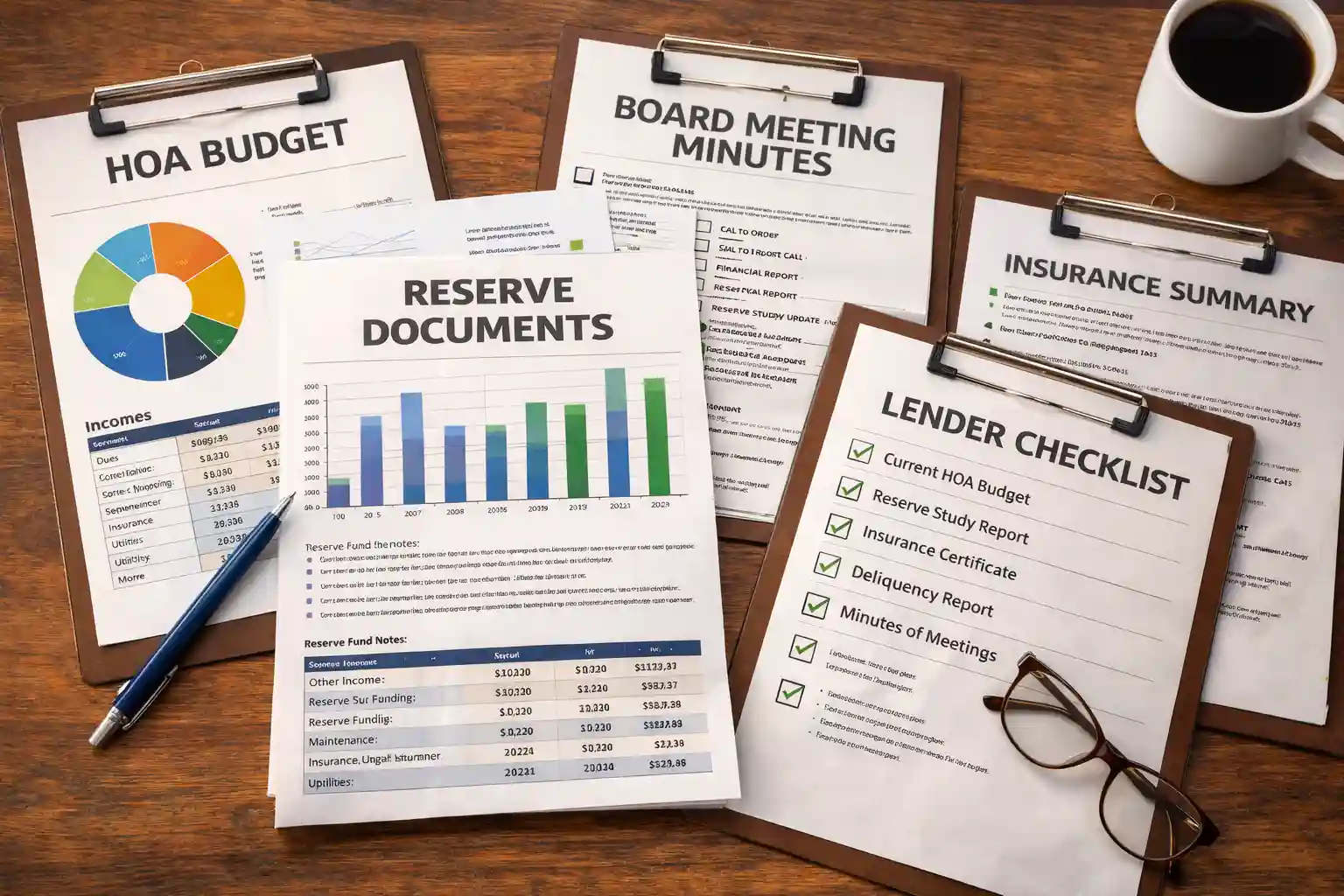
Review the condo budget and reserve funding
Low reserves can point to bigger problems ahead.
A building with weak reserves may be more vulnerable to surprise assessments, deferred maintenance, and lender hesitation. This is one reason reserve-related issues often connect directly to special assessment risk and rising ownership costs.
Read the board minutes
Board minutes often tell the real story.
They can reveal planned repairs, engineering concerns, legal disputes, insurance challenges, or owner frustration long before a buyer sees any of that in a listing description.
Examine the master insurance summary
Insurance is no longer a side issue in Florida.
If the building’s coverage is weak, expensive, incomplete, or loaded with unusual deductibles, lenders may care a lot. Buyers should care just as much.
Check rental and usage rules
Does the project behave like a normal condo building, or more like a short-term hospitality asset?
That distinction can affect lender comfort, buyer pool, and long-term resale prospects.
Ask about pending or recent assessments
A condo with a reasonable purchase price can quickly stop being attractive if a major assessment is looming.
That is why monthly fees alone do not tell the full story. A “cheaper” building is not always cheaper.
Understand the inspection and reserve environment
Florida’s condo environment has changed meaningfully in recent years, and building-level scrutiny is now more important than ever. Buyers should understand the broader reserve and inspection framework outlined by the Florida DBPR condo guidance.
Are non-warrantable condos in Florida ever a smart buy?
Yes, in the right situation.
Some buyers and investors intentionally target non-warrantable condos in Florida because complexity can reduce competition. When a building scares away less prepared buyers, better pricing can sometimes appear.
A smart purchase may happen when:
- the unit is meaningfully discounted versus comparable properties
- the buyer is using cash or a flexible portfolio lender
- the building’s financing issue looks temporary rather than permanent
- the location remains highly desirable
- the rental income still works after stress-testing expenses
- the buyer understands the likely resale limitations
Here is a practical way to think about it.
If Condo A is fully warrantable and listed at a premium, while Condo B in the same general submarket is discounted because it is harder to finance, Condo B may still be the better value. But only if the discount is large enough to compensate for the extra financing cost, narrower buyer pool, and added building-level risk.
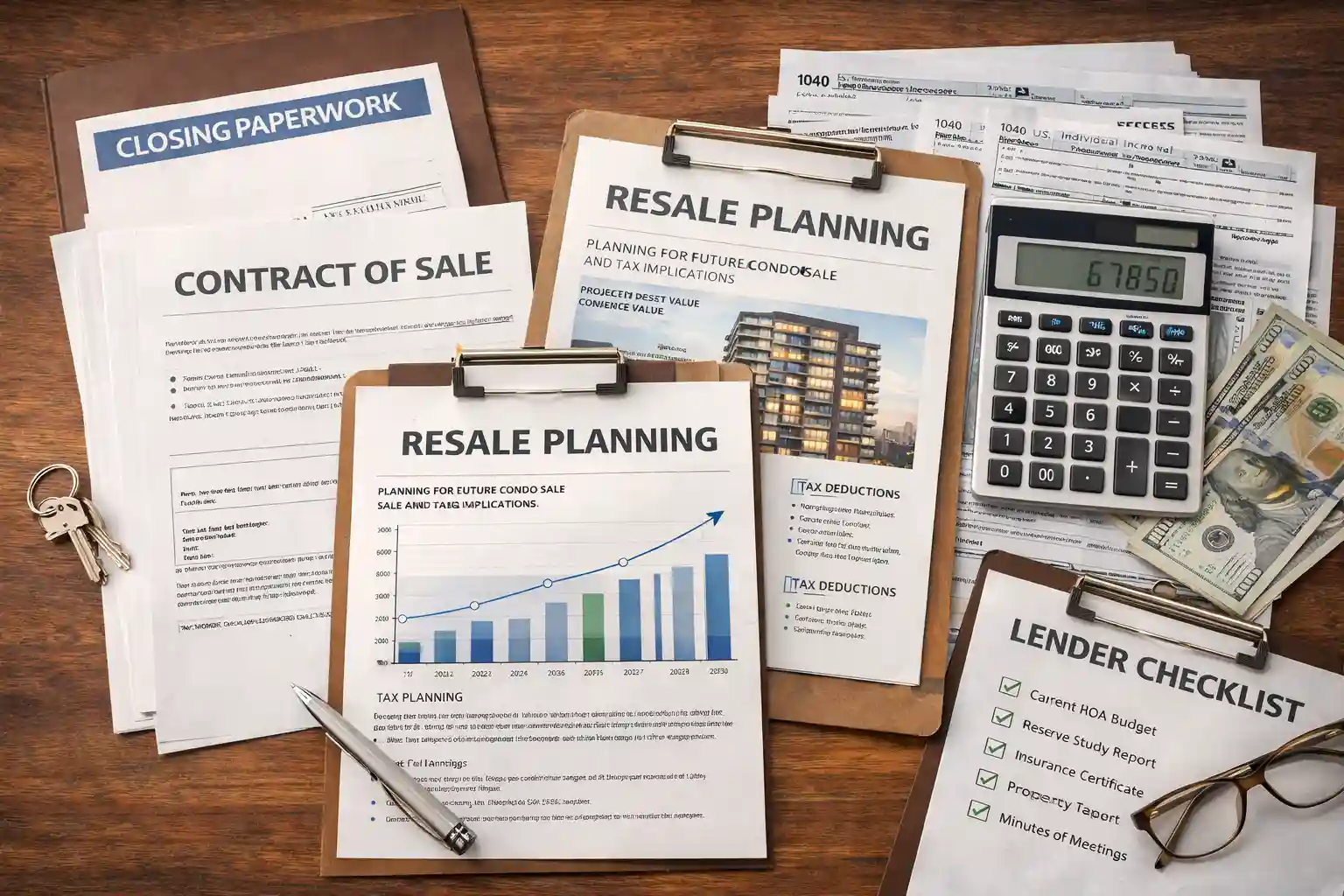
That is where local market knowledge matters. A broad internet search cannot tell you how buyers actually respond to one building versus another in a neighborhood like Coconut Grove or Bay Harbor Islands.
How FIRPTA affects the exit strategy
This is where the topic becomes especially relevant for Canadians and other foreign owners.
A lot of buyers treat FIRPTA as a future tax issue. Technically, that is true because FIRPTA usually becomes visible at the sale stage. Strategically, though, it should influence how you buy.
Why? Because non-warrantable condos in Florida often have a narrower resale audience. If you later sell as a foreign owner, you may already be dealing with a smaller buyer pool, longer marketing time, or more pressure to discount. That can make the timing and cash-flow impact of FIRPTA feel more significant.
In other words, if the building is harder to finance, your future buyer may also face financing difficulty. That can affect resale speed and negotiating leverage right when withholding rules are part of the transaction.
This is why it helps to understand the basic FIRPTA framework early, not just when you are ready to list. The IRS FIRPTA guidance and the process for a withholding certificate are not just tax technicalities. They are part of real exit planning for foreign owners.
For Canadian buyers, this also connects naturally with Miami P&B’s article on FIRPTA tax strategies and its step-by-step guide for Canadians buying property in Miami.
The real takeaway is simple: your buy decision should include your sell decision.
What U.S. mortgage news means for condo buyers right now
Mortgage headlines matter, but not in the simplistic way many buyers assume.
When buyers see general mortgage news, they often think only about rates moving up or down. In practice, condo buyers should also think about how lenders respond to project-level risk when financing is more selective.
If rates ease slightly, that may improve affordability at the borrower level. But it does not automatically solve condo warrantability issues. A building with reserve, insurance, litigation, or structural concerns may still be harder to finance than a stronger competing project.
That is why general mortgage updates from sources like Freddie Mac’s mortgage survey should be treated as useful background, not as a full buying strategy. For condo buyers, the building still matters just as much as the macro rate environment.
This is especially true in high-rise-heavy South Florida markets, where two listings with similar prices can carry very different financing realities.
Where this issue shows up most often in Miami and South Florida
Non-warrantable condos in Florida are not tied to one city or one neighborhood. They are usually building-specific. Still, they tend to show up in a few recurring situations.
In urban high-rise areas like Brickell and Edgewater, the issue often revolves around reserves, insurance, assessments, and building operations.
In boutique areas like Coconut Grove or Bay Harbor Islands, smaller associations can sometimes create unique financing quirks, even when the property looks straightforward.
In more investor-driven locations like Wynwood, rental patterns, mixed-use setups, or project design can become part of the warrantability conversation.
The key point is this: non-warrantable condos in Florida are usually a project-level story, not just a neighborhood story.
The smartest way to approach this as a buyer or investor

The smartest buyers in this market are not just asking, “What can I afford?”
They are asking:
- Is this building financeable right now?
- Will it still be attractive to future financed buyers?
- Are reserves improving or getting worse?
- Is the HOA fee low for a healthy reason or a dangerous one?
- Is the discount worth the added complexity?
- If I am Canadian or foreign, how does this affect my exit and FIRPTA planning?
Those are the right questions.
They help lifestyle buyers avoid bad surprises. They also help investors separate real opportunity from fake value.
How Miami P&B Investments can help
This is exactly where Miami P&B Investments becomes valuable.
Non-warrantable condos in Florida are not just a search issue. They are a coordination issue. Buyers may need help with property selection, building-level screening, mortgage strategy, legal structure, tax planning, and ongoing management.
That is why it helps to work with a team that understands the full picture.
Miami P&B can help buyers evaluate properties through its real estate services, while also supporting cross-border and ownership decisions through its legal services and accounting services. If the property will be rented or held remotely, the firm’s property management services also become part of the overall investment strategy.
For Canadian buyers in particular, that integrated approach matters. Financing, FIRPTA planning, ownership structure, and building-level risk should all be aligned before you commit.
The goal is not just to buy a condo.
The goal is to buy the right condo, in the right building, with the right financing path, and with a clear ownership and exit strategy from day one.
If you are comparing condo buildings in Miami or anywhere in South Florida and want a second opinion before making an offer, start with the contact page. Miami P&B Investments can help you identify whether a building represents real opportunity or avoidable risk before your money is on the line.